Getting to Know Manisa
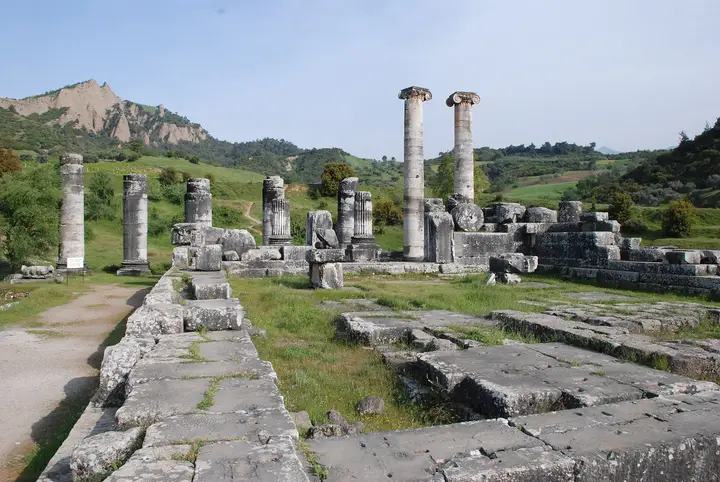
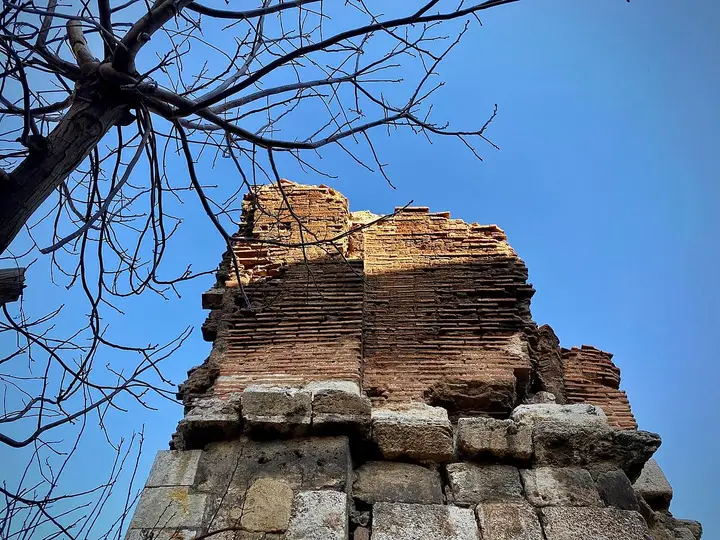
Manisa lies in the interior of the Aegean region, north of the Gediz Plain and at the foot of Mount Spil. Its ancient name was Magnesia ad Sipylum; the Battle of Magnesia in 190 BC was the turning point in Rome’s settlement of Anatolia. The province’s most important ancient city is Sardis at Salihli: the capital of the Lydian Kingdom, it was ruled by King Croesus, famed for his legendary wealth, and the world’s first coins were minted in this kingdom. Sardis and the Lydian Tumuli of Bin Tepe were added to the UNESCO World Heritage List in 2025. Akhisar (Thyateira) and Alaşehir (Philadelphia) were home to two of the seven churches mentioned in the Book of Revelation.
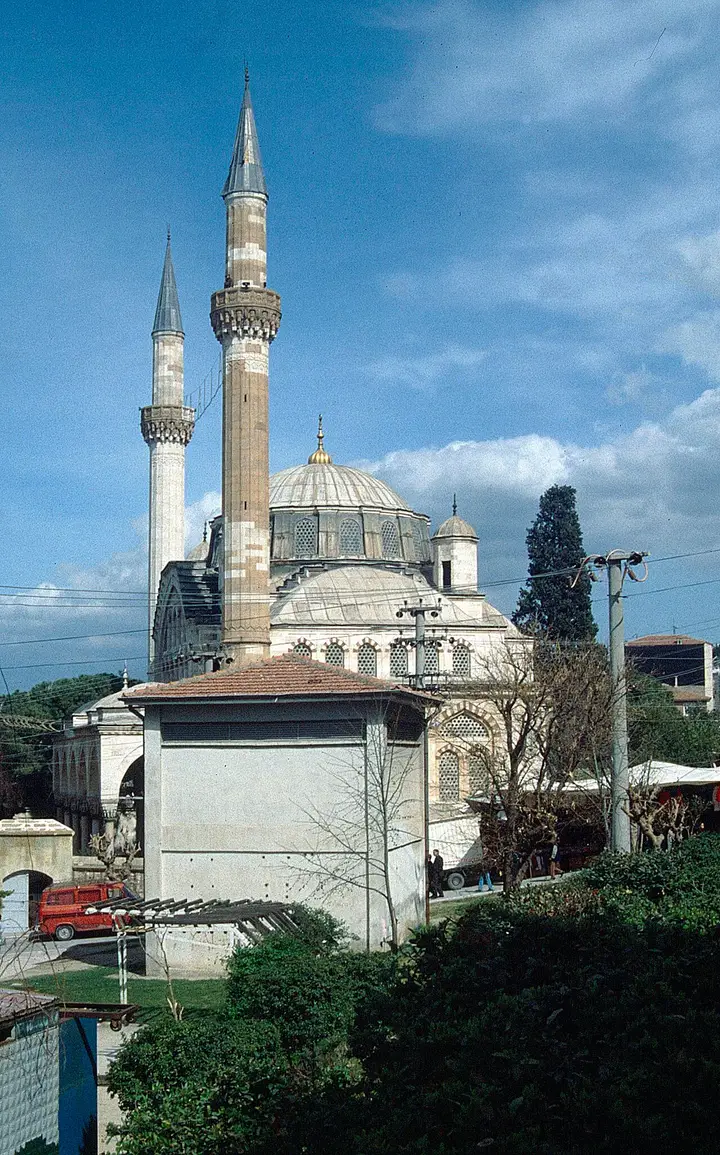
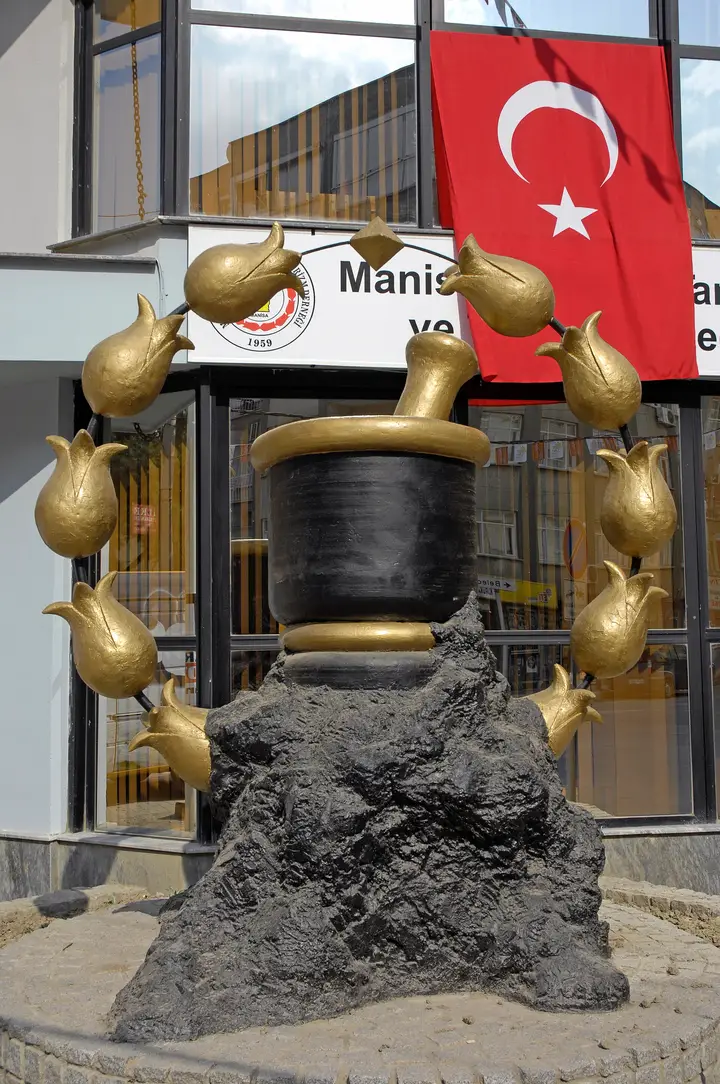
Manisa was the centre of the Saruhan Principality (Saruhanoğulları Beyliği), founded by Saruhan Bey at the beginning of the 14th century, and joined the Ottoman Empire in 1410. In the 15th and 16th centuries it was one of the main cities where Ottoman princes gained experience of government as sanjak-beys, and it is therefore known as the “City of Princes” (Şehzadeler Şehri); Suleiman the Magnificent also served here as a prince. The Mesir Paste Festival, at which the mesir paste prepared by Merkez Efendi is scattered to the public every year at the Sultan Mosque complex built by Ayşe Hafsa Sultan, mother of Suleiman the Magnificent, is on the UNESCO Intangible Cultural Heritage list.
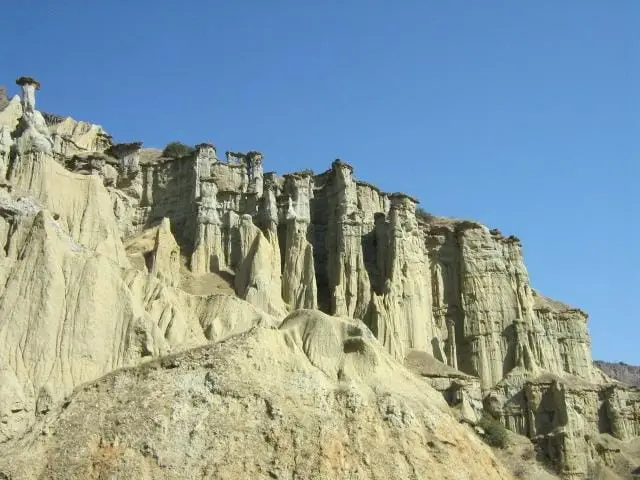
The area around Kula in the east of the province, with its volcanic cones, lava flows and fairy chimneys, was known in antiquity as “Katakekaumene” (the Burnt Land); today it is the Kula-Salihli Geopark, Türkiye’s only UNESCO Global Geopark.
When to Go
Manisa has a Mediterranean climate: summers are very hot and dry, winters mild and wet. Averages for 1930–2025 from the Turkish State Meteorological Service:
| Month |
Avg. high |
Avg. low |
Rainfall |
Rainy days |
| January |
10.9 °C |
3.1 °C |
127 mm |
13 |
| February |
12.7 °C |
3.7 °C |
106 mm |
11 |
| March |
16.3 °C |
5.4 °C |
77 mm |
10 |
| April |
21.5 °C |
9.0 °C |
55 mm |
9 |
| May |
27.1 °C |
13.4 °C |
38 mm |
7 |
| June |
32.2 °C |
17.7 °C |
20 mm |
3 |
| July |
35.1 °C |
20.6 °C |
10 mm |
1 |
| August |
35.0 °C |
20.5 °C |
9 mm |
1 |
| September |
30.8 °C |
16.3 °C |
20 mm |
2 |
| October |
24.4 °C |
11.9 °C |
51 mm |
6 |
| November |
17.6 °C |
7.6 °C |
89 mm |
9 |
| December |
12.4 °C |
4.6 °C |
137 mm |
14 |
The best times to visit are April–May and October–November. The Mesir Paste Festival is held every spring (usually in March–April). In July–August temperatures exceed 35 °C; visit open-air sites such as Sardis and Kula early in the morning. The grape harvest takes place in August–September.
How to Get to Manisa
By air: There is no airport in the province; the nearest is Izmir Adnan Menderes Airport, about 50 km away.
By train: Manisa lies on the Izmir–Ankara and Izmir–Uşak railway lines; regional trains from Izmir take about 1 hour. Salihli and Alaşehir are on the same line.
By road: It is about 40 km to Izmir, and the Sabuncubeli Tunnel has shortened the connection. Salihli and Kula lie on the Izmir–Ankara highway.
Manisa Area by Area
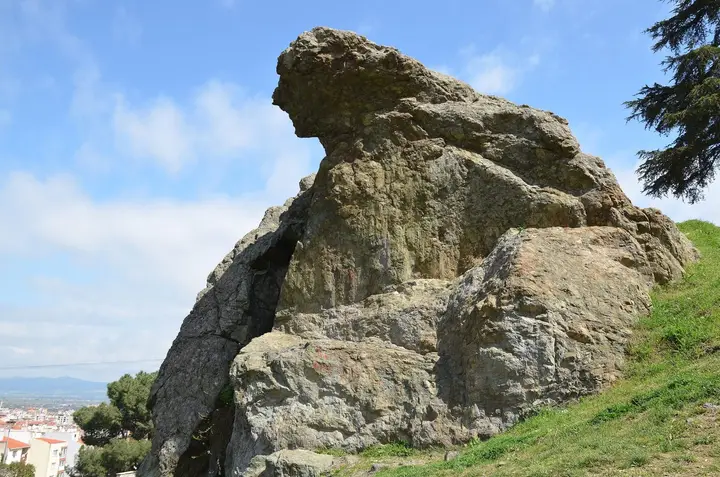
- Şehzadeler and Yunusemre (centre): Sultan Mosque and Hafsa Sultan Hospital (Darüşşifa), Muradiye Mosque (Mimar Sinan), Manisa Museum, the Grand Mosque, Mount Spil National Park and the Weeping Rock (Niobe).
- Salihli: the ancient city of Sardis, the Temple of Artemis, the Lydian tumuli of Bin Tepe and Gölmarmara.
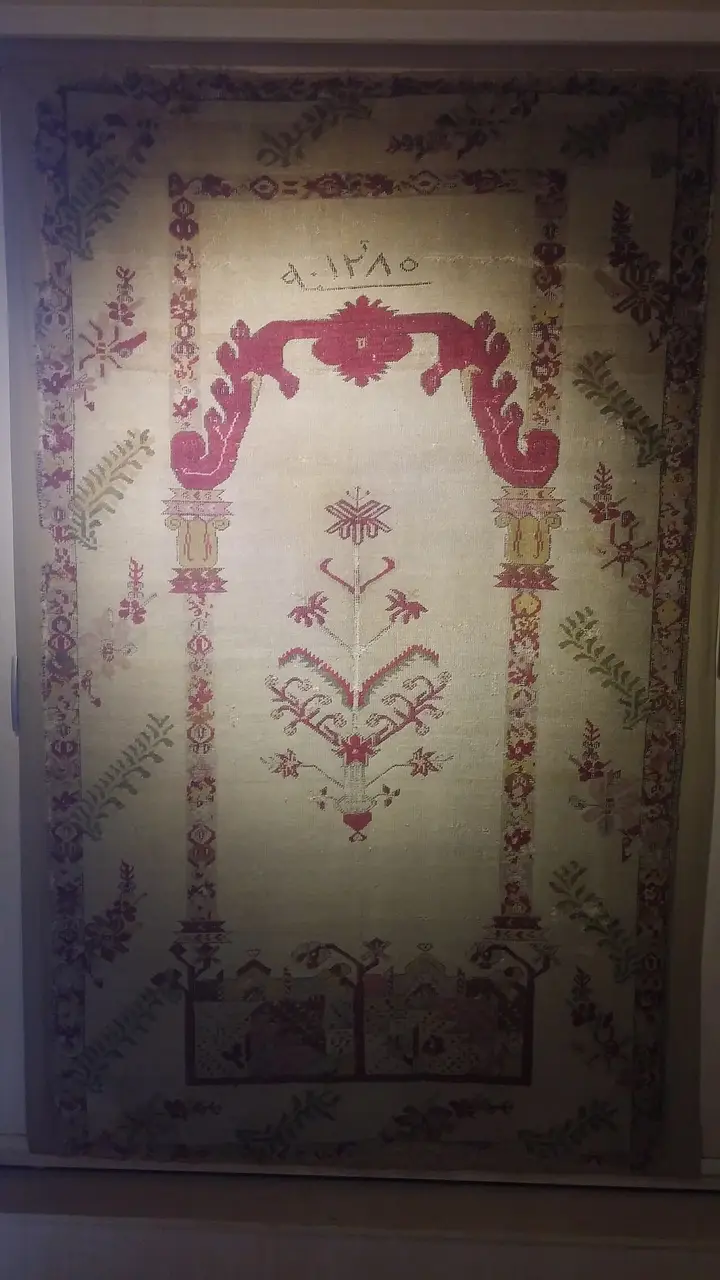
- Kula: Kula-Salihli UNESCO Global Geopark, volcanic cones, fairy chimneys, historic Kula houses and Kula hand-woven carpets.
- Akhisar: the ruins of Thyateira, olive groves and Akhisar köfte.
- Alaşehir: Philadelphia and the ruins of the St John Church, vineyards.
- Gördes, Demirci and Selendi: carpet-weaving tradition, highland pastures and the registered Demirci cherries.
- Kırkağaç and Soma: Kırkağaç melons, Soma halva and olive oil.
Suggested Itineraries
Day 1 – Manisa centre: The Sultan Mosque and Darüşşifa, Muradiye Mosque and Manisa Museum; in the afternoon the Weeping Rock on Mount Spil and a walk in the national park. In the evening, Manisa kebabı.
Day 2 – Sardis and Kula: In the morning the gymnasium, synagogue and Temple of Artemis at Sardis; in the afternoon the volcanic cones and fairy chimneys of the Kula Geopark and the historic Kula houses.
Day 3 – The north: Thyateira and olive oil in Akhisar; melons in Kırkağaç if they are in season.
Manisa Cuisine
Manisa is famous for its vineyards: Manisa sultana seedless grapes and Saruhanlı seedless white grapes form the basis of Türkiye’s raisin exports. The symbol of the city is Manisa mesir paste, said to be made from forty-one kinds of spices and medicinal herbs; it was registered as a geographical indication in the EU in 2024. Other delicacies with registered geographical indications are Akhisar köfte (Akhisar meatballs), Salihli odun köfte (Salihli wood-fired meatballs), Manisa taban simidi, Alaşehir kapaması, Alaşehir tahinli pidesi (Alaşehir tahini flatbread), Alaşehir ekmeği (Alaşehir bread), Kırkağaç pideli paça (trotters with pide), Kırkağaç topalak yemeği and Soma helvası (Soma halva). Products include Kırkağaç melons, Akhisar Domat and Uslu olives and olive oils, Soma olive oil, Salihli cherries, Demirci cherries, Köprübaşı strawberries, Kula leblebisi (Kula roasted chickpeas), Demirci hünnabı (Demirci jujube), Manisa and Alaşehir vine leaves and Emcelli pepper.
Handicrafts
Gördes hand-woven carpet, which gave its name to the double-knot technique of Anatolian Turkish carpets, Kula hand-woven carpet and Yuntdağı hand-woven carpet all have registered geographical indications; Gökeyüp pottery is also a registered handicraft.
Practical Tips
- During the Mesir Paste Festival, mesir paste is scattered to the crowd from the domes and minarets of the Sultan Mosque; it gets crowded, so go early.
- Hiring a car is the most practical way to see Sardis and Kula on the same day.
- In summer Manisa is one of the hottest provinces in Türkiye; be prepared with shade and water.
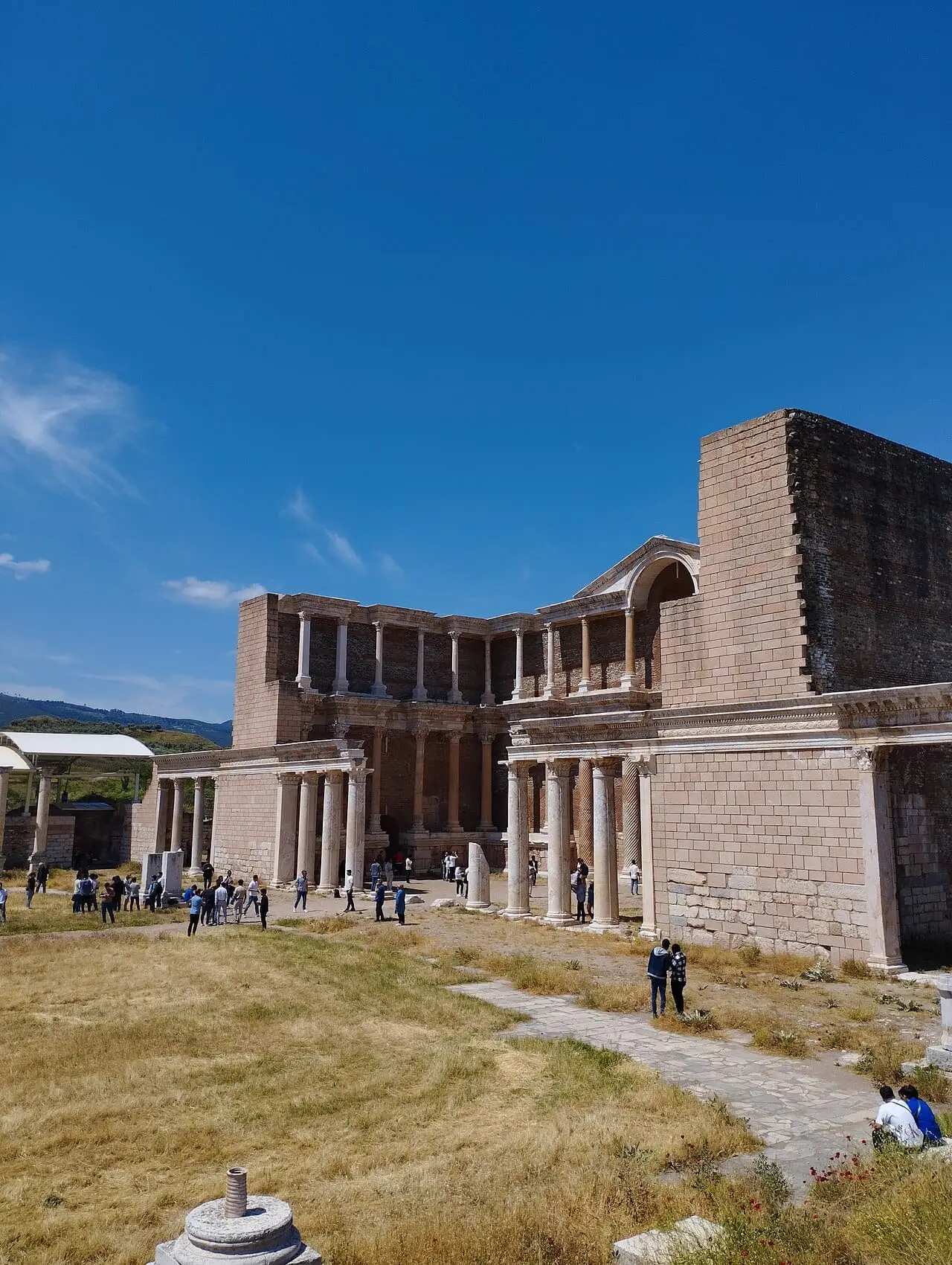
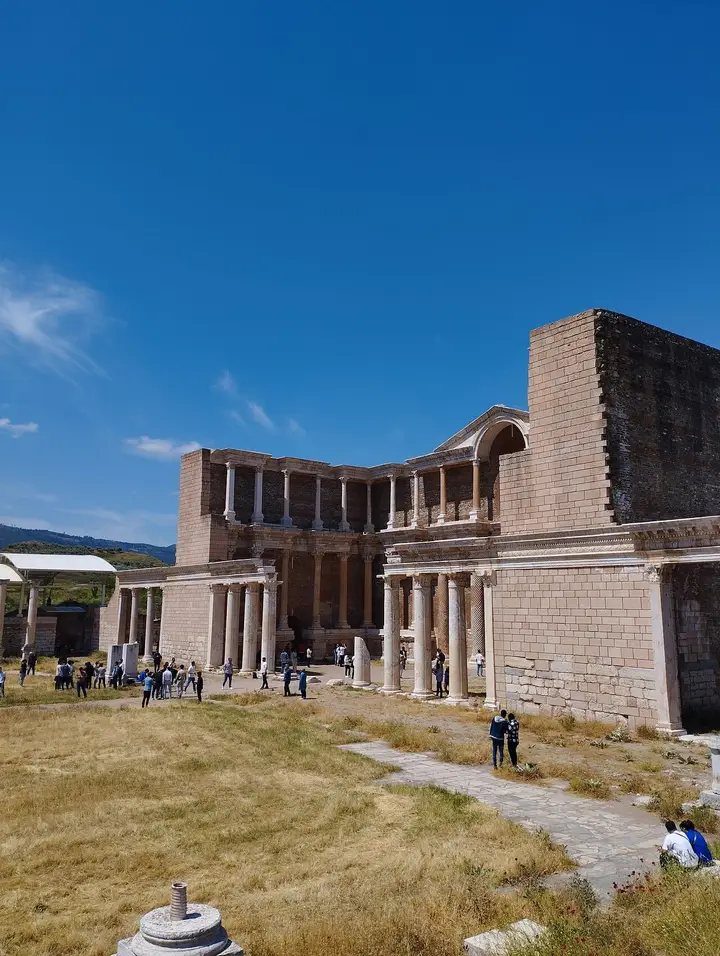 Photo: Janabaevazizbek (CC BY-SA 4.0) · Source