Aydın is one of Türkiye's richest provinces for archaeology, with dozens of ancient cities including Aphrodisias (a UNESCO World Heritage Site since 2017), Miletus (the city of Thales), Priene (laid out on the Hippodamian plan), Didyma (Apollo's oracle centre), Nysa and Alinda. The beaches of Kuşadası and Didim, Dilek Peninsula National Park, Lake Bafa and the registered Aydın fig make it a destination in every season.

Share with friends

Last updated:

Places to Visit in Aydın

18 places worth seeing in Aydın, from historic monuments to natural wonders, grouped by type. Open any of them on the map with a single click.

  • 1 Historic
  • 11 Ancient City
  • 1 Religious
  • 1 Museum
  • 3 Nature
  • 1 Beach

Historic Sites 1

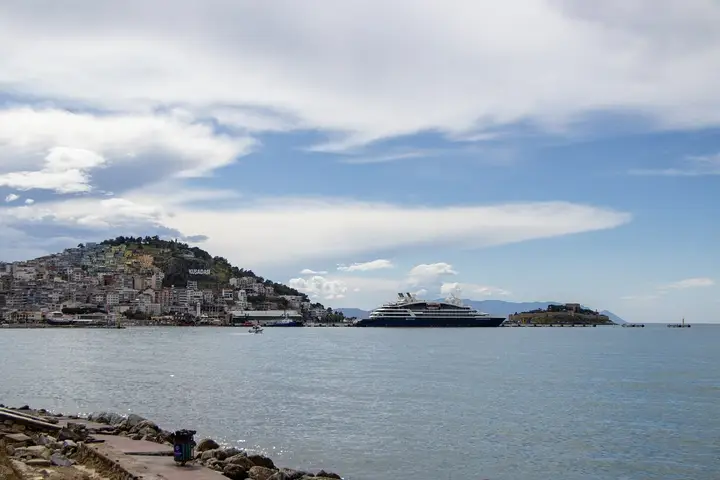
Kuşadası and Güvercinada Photo: Koray (CC BY-SA 4.0) · Source
Historic

Güvercinada Castle

A castle on the islet in Kuşadası harbour, dating back to the Genoese, whose inner keep was built by Barbaros Hayreddin Paşa; it was joined to the mainland by a breakwater in 1957. It was placed on the UNESCO World Heritage Tentative List in 2020.

View on map

Ancient Cities 11

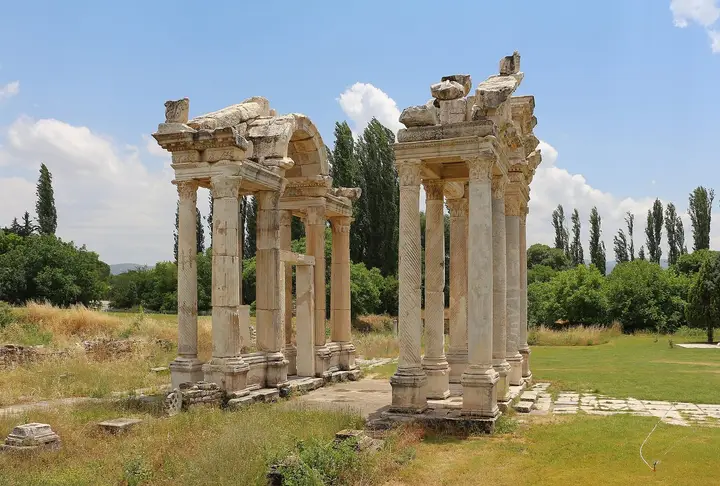
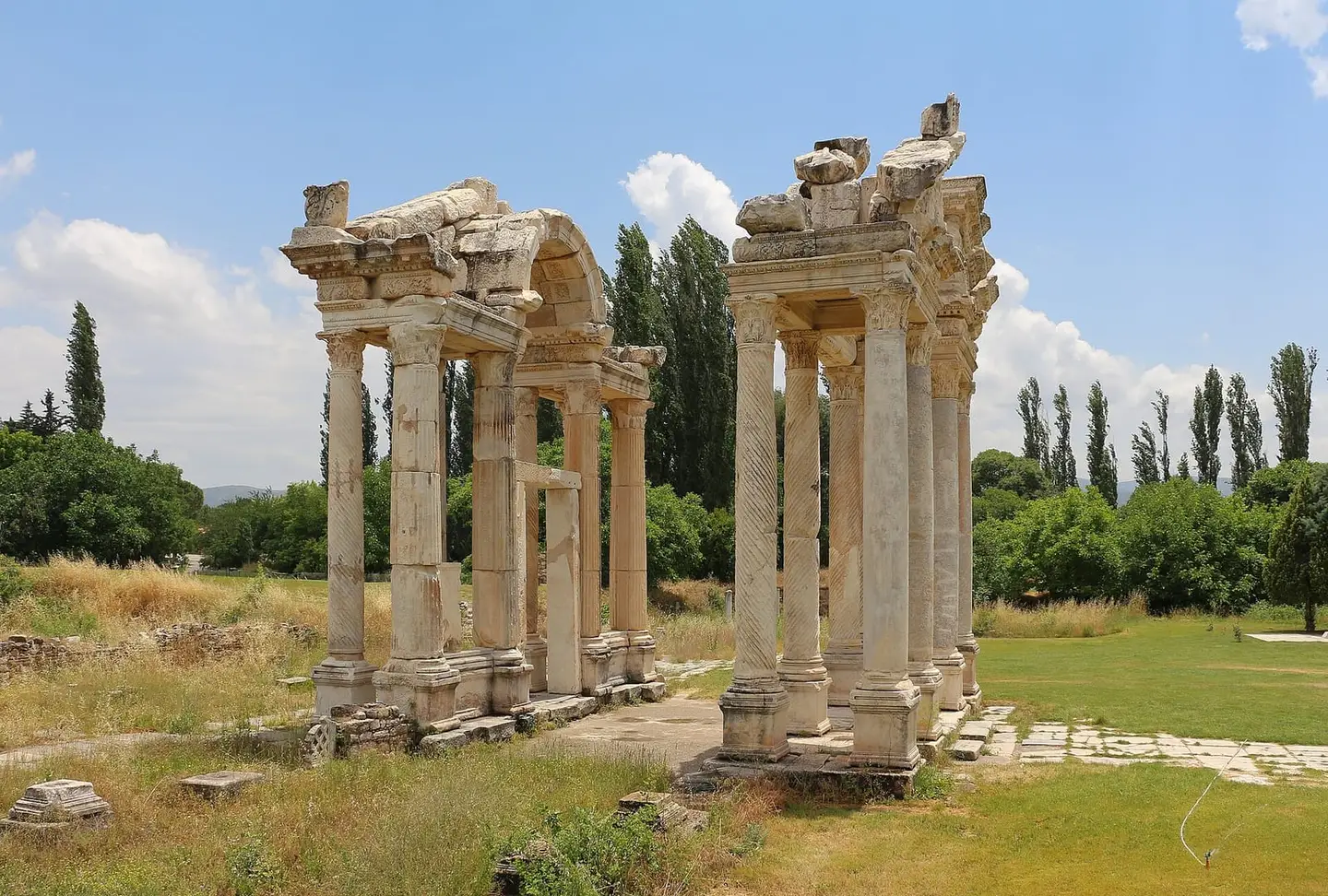
The monumental Tetrapylon gateway at Aphrodisias Photo: Bernard Gagnon (CC BY-SA 3.0) · Source
Ancient City

Aphrodisias Ancient City

The city of Aphrodite in the Geyre neighbourhood of Karacasu; from the 1st to the 5th century AD it was one of the art centres of the Roman world thanks to its sculpture school. Its main monuments are the monumental Tetrapylon gateway built around AD 200, the Sebasteion and the best-preserved ancient stadium in the Aegean. It was added to the UNESCO World Heritage List in 2017.

View on map
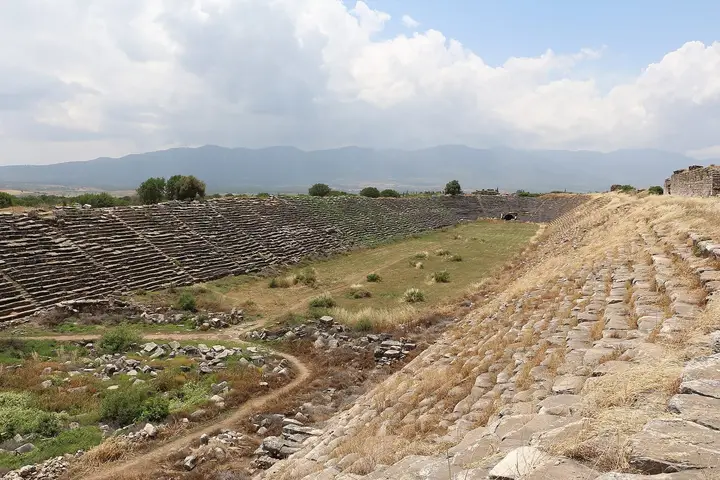
The seating of the Aphrodisias stadium Photo: Bernard Gagnon (CC BY-SA 3.0) · Source
Ancient City

Aphrodisias Stadium

The best-preserved and most magnificent building in the city, and the best-preserved of all the ancient stadiums in the Aegean Region; it hosted athletic competitions for a long time.

View on map
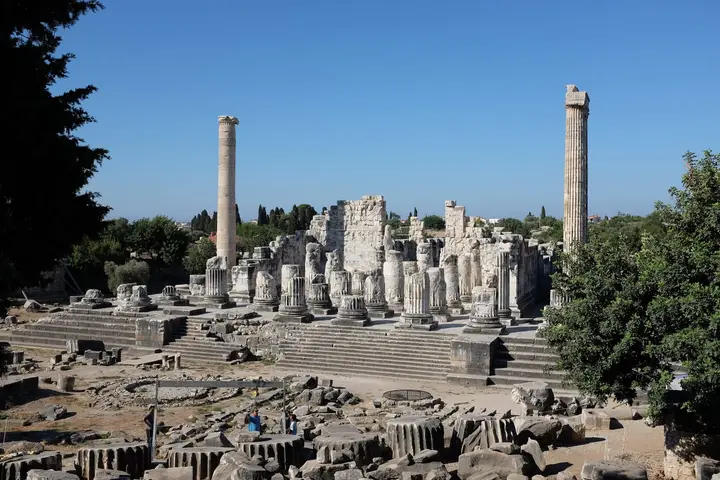
Didyma Temple of Apollo Photo: Wikimedia Commons (CC BY-SA) · Source
Ancient City

Didyma Temple of Apollo

Together with Delphi, Didyma in Didim was the most famous oracle centre of the Hellenic world. The Hellenistic Temple of Apollo is one of the best-preserved and largest temples of the classical age; it was linked to Miletus by a 20 km Sacred Way.

View on map
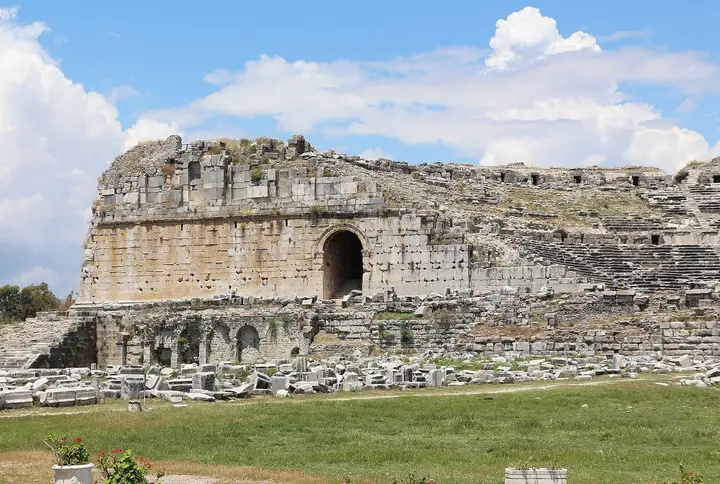
The ancient theatre of Miletus Photo: Bernard Gagnon (CC BY-SA 3.0) · Source
Ancient City

Miletus (Miletos)

An Ionian port city near the village of Balat in Didim, the home of Thales, Anaximander and Anaximenes and the birthplace of Hippodamus, the inventor of the grid city plan. Its 15,000-seat theatre and the Faustina Baths are still standing; because of the silt carried by the Menderes, the site now lies about 10 km inland.

View on map
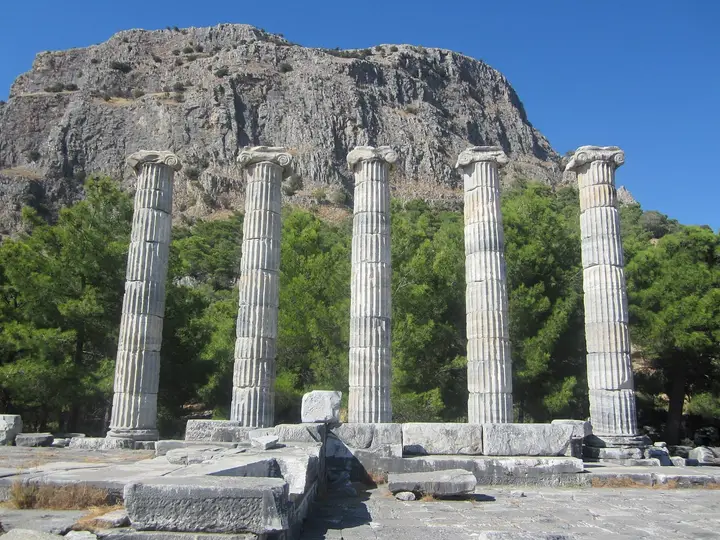
The columns of the Temple of Athena at Priene Photo: Tomisti (CC BY-SA 4.0) · Source
Ancient City

Priene

An Ionian city built in terraces on the steep slope of Mount Mykale (Dilek) in the Güllübahçe neighbourhood of Söke; it is known as the first and most important city to apply the Hippodamian grid plan. Five columns of the Temple of Athena, which was supported by Alexander the Great, have been re-erected.

View on map
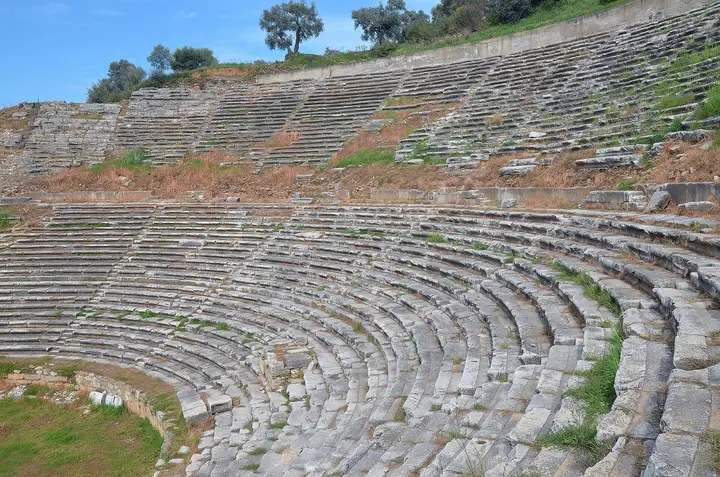
The ancient theatre of Nysa Photo: Carole Raddato (CC BY-SA 2.0) · Source
Ancient City

Nysa

A city built on both sides of a stream valley in Sultanhisar; the geographer Strabo studied here. Its main monuments are the bridges linking the two banks, a 100-metre Roman tunnel built under the stream bed, the theatre with its relief-decorated stage building, and the library.

View on map
Ancient City

Tralleis

An ancient city founded on a plateau on the slope of Mount Mesogis (Kestane) north of Efeler; the home town of Anthemius of Tralles, one of the architects of Hagia Sophia. The most striking structure still standing today is the ruin known as the "Üç Gözler" (Three Eyes), part of a 2nd-century gymnasium.

View on map
Ancient City

Magnesia

Magnesia on the Maeander, in Germencik at the Tekin village junction on the Ortaklar–Söke road; it is famous for the Temple of Artemis Leukophryene and was an important city on the trade route between Priene, Ephesus and Tralleis in the Hellenistic period.

View on map
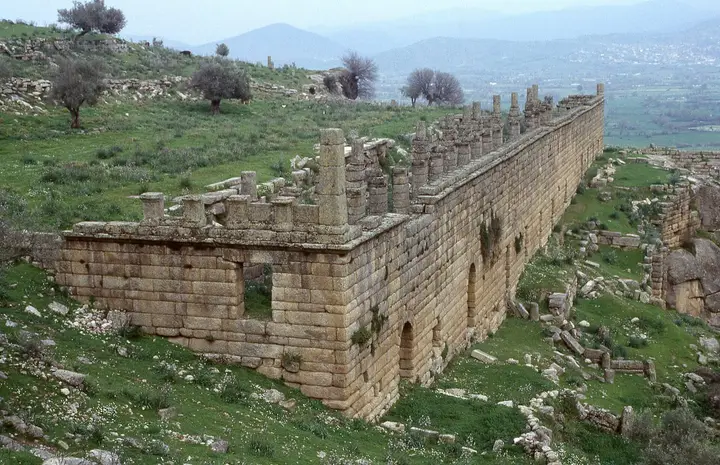
The market building at Alinda Photo: Mark Landon (CC BY 4.0) · Source
Ancient City

Alinda

A Carian city above the centre of the Karpuzlu district; Ada, Queen of Caria, welcomed Alexander the Great here in 334 BC. The three-storey Hellenistic market building (agora) is among the most impressive ancient structures in the region.

View on map
Ancient City

Alabanda

A Carian city built on a saddle-shaped area between two hills in the village of Doğanyurt, 9 km from Çine; its name comes from the Carian words for "horse" and "victory". The ruins of the Temple of Zeus Chrysaoreus can be seen.

View on map
Ancient City

Panionion

A sanctuary in the Güzelçamlı neighbourhood of Kuşadası where the 12 Ionian cities gathered in the name of Poseidon from the 8th century BC; it was the political centre of the Ionian League.

View on map

Religious Buildings 1

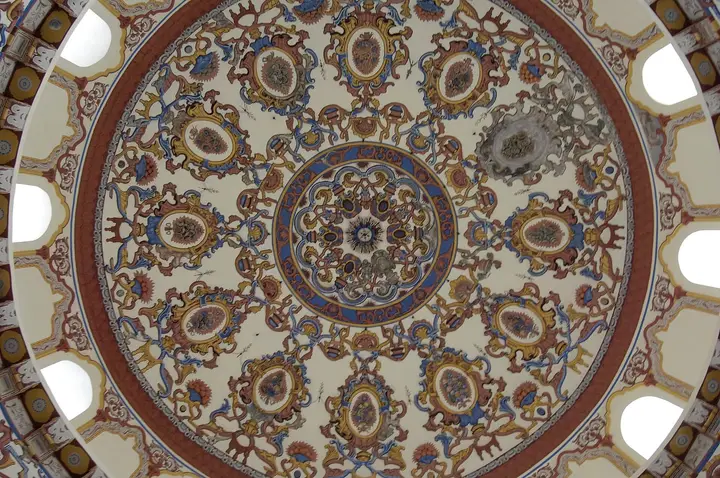
The dome decoration of the Cihanoğlu Mosque Photo: Dosseman (CC BY-SA 4.0) · Source
Religious

Cihanoğlu Mosque

Built in 1756 by the müderris Abdülaziz Efendi of Cihanoğlu, this is the city-centre mosque of the Cihanoğlu family, who dominated Aydın in the 18th century; it is noted for the painted decoration (kalem işi) inside the dome.

View on map

Museums 1

Museum

Aydın Archaeology Museum

The museum in Efeler was founded in 1959 and moved to its present building in 2012; it displays statues and sarcophagi from Tralleis and the surrounding ancient cities, as well as a 2nd-century floor mosaic from Orthosia.

View on map

Natural Wonders 3

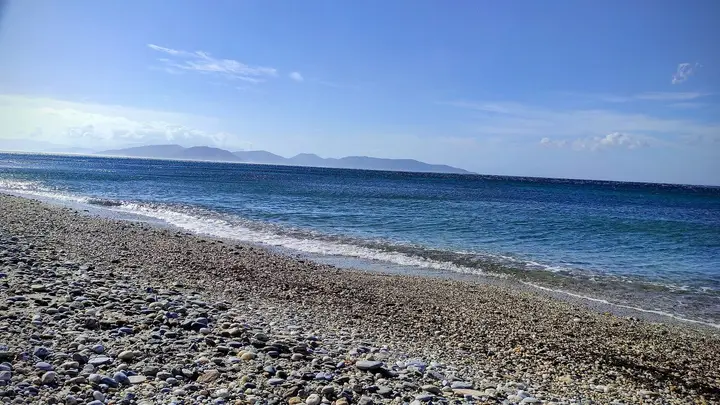
A bay in Dilek Peninsula National Park Photo: Furkan2821144 (CC BY-SA 4.0) · Source
Nature

Dilek Peninsula–Büyük Menderes Delta National Park

A national park of 27,675 hectares made up of the peninsula at the Aegean tip of Mount Samsun (Mykale), declared in 1966, and the Büyük Menderes delta, added in 1994; the Greek island of Samos can be seen opposite. With its bays, Zeus Cave, the lagoons in the delta and its bird-watching areas, it is Aydın's natural paradise.

View on map
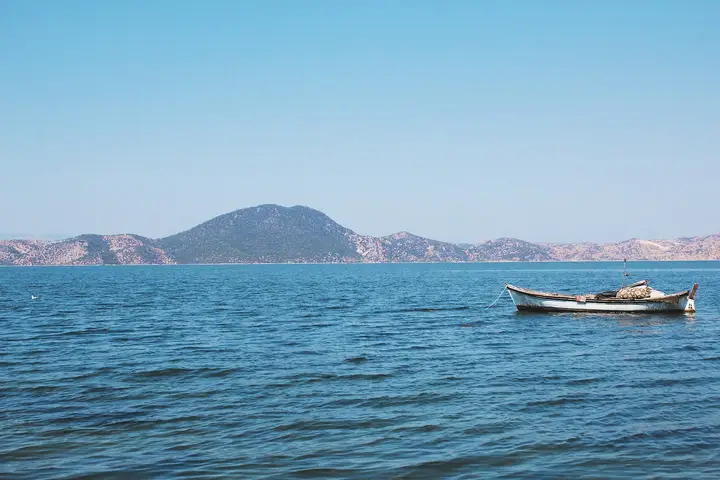
Lake Bafa Photo: BilgeKorkmaz (CC BY-SA 4.0) · Source
Nature

Lake Bafa

On the Aydın–Muğla border, the largest lake in the Aegean Region at about 60 km²; it was once the Latmian Gulf of the Aegean Sea and was cut off from the sea by the silt of the Menderes. It is surrounded by the granite crags of the Beşparmak (Latmos) Mountains.

View on map
Nature

Arapapıştı Canyon

A canyon 6 km long and 380 metres deep, carved by the Akçay, which feeds Kemer Dam, in Bozdoğan; it was opened to tourism in 2017.

View on map

Beaches and Coves 1

Beach

Kuşadası and Didim Beaches

Kadınlar Denizi and Güzelçamlı in Kuşadası, and Altınkum in Didim, are the best-known beaches on the Aydın coast.

View on map

Getting to Know Aydın

Aydın stretches from the Aegean coast to the Denizli border along the broad, fertile plain of the Büyük Menderes River. In antiquity this land lay where three regions met: Ionia on the coast (Miletus, Priene, Panionion), Caria in the south (Aphrodisias, Alinda, Alabanda) and the Lydian border in the north-east. The silt brought down by the Menderes has left Miletus and Priene, once ports, kilometres inland and turned the Latmian Gulf into today’s Lake Bafa. The English word meander also comes from the ancient name of this river, Maiandros.

The city takes its present name from the Aydınoğulları Principality, founded in the region at the beginning of the 14th century. In the 18th century the Cihanoğulları family based in Koçarlı and the Arpazlı family based in Nazilli built strong local dynasties in the region. In the War of Independence, Yörük Ali Efe halted the advance of the occupation around Aydın with the Malgaç Raid of 16 June 1919. The Izmir–Aydın railway, which reached Aydın in 1866, was the first railway line in Anatolia.

Today Aydın is one of Türkiye’s centres of figs and olive oil, thanks to the registered Aydın fig and Memecik olive, and, with Kuşadası and Didim, one of the busiest holiday regions of the Aegean.

When to Go

Summers in Aydın are very hot and dry, and winters are mild and rainy. Averages for 1940–2025 from the Turkish State Meteorological Service (Aydın centre):

Month Avg. high Avg. low Rainfall Rainy days
January 13.2 °C 4.4 °C 119 mm 13
February 14.9 °C 5.1 °C 90 mm 10
March 18.0 °C 6.7 °C 70 mm 10
April 22.8 °C 10.2 °C 49 mm 8
May 28.3 °C 14.3 °C 36 mm 6
June 33.5 °C 18.3 °C 17 mm 3
July 36.4 °C 20.7 °C 7 mm 1
August 35.9 °C 20.5 °C 6 mm 1
September 32.2 °C 16.9 °C 17 mm 2
October 26.4 °C 12.9 °C 44 mm 5
November 20.0 °C 9.0 °C 81 mm 8
December 14.6 °C 5.9 °C 126 mm 13

April–May and October are ideal for the ancient cities, and June to September for the sea. The Menderes plain gets very hot in summer: in July the average high exceeds 36 °C, and the highest temperature ever recorded is 45.1 °C. Visit shadeless archaeological sites such as Aphrodisias, Miletus and Priene early in the morning in summer. The fig harvest takes place from late August to September.

How to Get to Aydın

By air: Aydın has no airport with scheduled flights; Aydın Çıldır Airport is used for pilot training. For the north and centre of the province, use Izmir Adnan Menderes Airport (about 80 km from Kuşadası); for Didim, use Milas-Bodrum Airport.

By train: The historic line opened in 1866 still runs today: regional trains from Izmir go to Aydın, Nazilli and Denizli, and to Söke via Ortaklar.

By road: The Izmir–Aydın motorway links the city to Izmir; the road towards Denizli follows the Büyük Menderes valley, and the road towards Muğla runs via Çine.

Aydın Area by Area

  • Efeler (centre): the ancient city of Tralleis, the Aydın Archaeology Museum and the Cihanoğlu Mosque of 1756.
  • Kuşadası and Söke: Güvercinada Castle, Dilek Peninsula National Park, Panionion, Priene and Lake Bafa.
  • Didim: the Didyma Temple of Apollo, the ancient city of Miletus and Altınkum beach.
  • Germencik and İncirliova: the ancient city of Magnesia and the fig orchards.
  • Menderes valley (Sultanhisar, Nazilli, Kuyucak): the ancient city of Nysa, Harpasa, and the registered Sultanhisar strawberries and Kuyucak oranges.
  • South (Karacasu, Çine, Karpuzlu, Bozdoğan): Aphrodisias, Alabanda, Alinda and Arapapıştı Canyon.

Suggested Itineraries

Day 1 – The Ionian cities on the coast: See the columns of the Temple of Athena at Priene in the morning and Miletus’s 15,000-seat theatre at noon; in the afternoon visit the giant Temple of Apollo at Didyma and end the day at Altınkum.

Day 2 – Kuşadası and Dilek Peninsula: A morning walk at Güvercinada Castle, then swimming in the bays of Dilek Peninsula National Park and a visit to Panionion.

Day 3 – Inland Caria: The Tetrapylon, Sebasteion and stadium of Aphrodisias in Karacasu; on the way back, the theatre and Roman tunnel of Nysa in Sultanhisar.

Aydın Cuisine

Aydın’s table is built on olive oil, figs and the vegetables of the Menderes plain. With more than 30 geographical indications registered with TÜRKPATENT, Aydın is one of the provinces with the most registered products in Türkiye. The main ones are: Aydın inciri (Aydın figs), Aydın memecik zeytini ve zeytinyağı (Aydın Memecik olives and olive oil), Aydın kestanesi (Aydın chestnuts), Aydın çam fıstığı (Aydın pine nuts), Aydın enginarı (Aydın artichokes), Aydın yuvarlaması (Aydın yuvarlama, a dish of rolled meatballs), Çine köftesi (Çine meatballs), Germencik ekşili tavuk (Germencik sour chicken), Ortaklar çöp şiş (Ortaklar skewers), Söke kulak çorbası (Söke “ear” soup), Söke pidesi (Söke flatbread), Nazilli kar helvası (Nazilli snow halva), Bozdoğan cevizli sucuğu (Bozdoğan walnut sausage), Olukbaşı oğlak çevirme kebabı (Olukbaşı spit-roasted kid), Sultanhisar çileği (Sultanhisar strawberries) and Kuyucak portakalı (Kuyucak oranges).

Practical Tips

  • To see the Sebasteion reliefs in the Aphrodisias museum, allow at least half a day together with the archaeological site.
  • There is an entrance fee for Dilek Peninsula National Park and the number of vehicles is limited; go early in the morning in summer.
  • During the fig harvest in August–September you can buy fresh and dried figs from producers’ stalls along the roadside.
  • Most archaeological sites have no shade; a hat and water are essential.
Districts of Aydın

Aydın province has 17 districts. Explore the places to visit, local dishes and transport in each one.

What to Eat in Aydın

All dishes →
  • Aydın İnciri (Aydın figs)

    Dried and fresh figs grown in the Büyük Menderes basin, registered with a designation of origin.

  • Çine Köftesi (Çine meatballs)

    Çine meatballs with a registered geographical indication.

  • Söke Kulak Çorbası (Söke "ear" soup)

    A registered Söke soup made with small pieces of dough.

  • Germencik Ekşili Tavuk (Germencik sour chicken)

    A Germencik dish with a registered geographical indication.

  • Ortaklar Çöp Şiş (Ortaklar skewers)

    A registered speciality of Ortaklar in which small pieces of meat are cooked on thin skewers.

  • Nazilli Kar Helvası (Nazilli snow halva)

    A Nazilli dessert with a registered geographical indication.

What to eat in Aydın: the full food guide

Aydın: Frequently Asked Questions

What are the best places to visit in Aydın?

The ancient cities of Aphrodisias, Miletus, Priene, Nysa, Alinda, Alabanda and Magnesia and the Didyma Temple of Apollo; Güvercinada Castle in Kuşadası, Dilek Peninsula National Park, Lake Bafa, Arapapıştı Canyon and the Aydın Archaeology Museum are the main stops.

Is there a UNESCO World Heritage Site in Aydın?

Yes. The ancient city of Aphrodisias in Karacasu was added to the UNESCO World Heritage List in 2017. Güvercinada Castle in Kuşadası has been on the Tentative List since 2020.

Which is the nearest airport to Aydın?

Izmir Adnan Menderes Airport (about 80 km from Kuşadası). For Didim, Milas-Bodrum Airport is closer. Aydın Çıldır Airport is used only for pilot training.

What is Aydın famous for?

Aydın figs, Memecik olives and olive oil, Aydın chestnuts and pine nuts, all registered with a designation of origin; also Çine köftesi, Söke kulak çorbası, Germencik ekşili tavuk and Ortaklar çöp şiş.

Where does the name Menderes come from?

The ancient name of the Büyük Menderes River is Maiandros. The English word "meander", used for a winding curve, derives from this name because of the river's twisting course.

When is the best time to visit Aydın?

April–May and October are best for the ancient cities, and June to September for the sea. In July and August temperatures inland exceed 36 °C.

More from the Aydın Guide

Other Provinces in the Aegean Region

Sources

The information in this guide has been compiled from and checked against the sources below (last checked: 7 October 2026). If you spot an error, please let us know.

  1. Vikipedi – Aydın (il)
  2. Meteoroloji Genel Müdürlüğü – Aydın il istatistikleri
  3. Vikipedi – Afrodisias
  4. Vikipedi – Didyma
  5. Vikipedi – Milet
  6. Vikipedi – Priene
  7. Vikipedi – Nisa (antik kent)
  8. Vikipedi – Tralleis
  9. Vikipedi – Magnesia (Aydın)
  10. Vikipedi – Alinda
  11. Vikipedi – Alabanda (antik kent)
  12. Vikipedi – Panionion
  13. Vikipedi – Güvercinada Kalesi
  14. Vikipedi – Dilek Yarımadası-Büyük Menderes Deltası Millî Parkı
  15. Vikipedi – Bafa Gölü
  16. Vikipedi – Arapapıştı Kanyonu
  17. Vikipedi – Aydın Arkeoloji Müzesi
  18. Vikipedi – Cihanoğlu ailesi
  19. Vikipedi – Aydınoğulları Beyliği
  20. Vikipedi – Yörük Ali Efe
  21. Vikipedi – Adnan Menderes
  22. Vikipedi – Türkiye'de tescilli coğrafi işaretler listesi
  23. TÜRKPATENT – Aydın İnciri
  24. TÜRKPATENT – Aydın Memecik Zeytinyağı
  25. TÜRKPATENT – Çine Köftesi

Search 81 province guides and 968 district guides.