Getting to Know Izmir
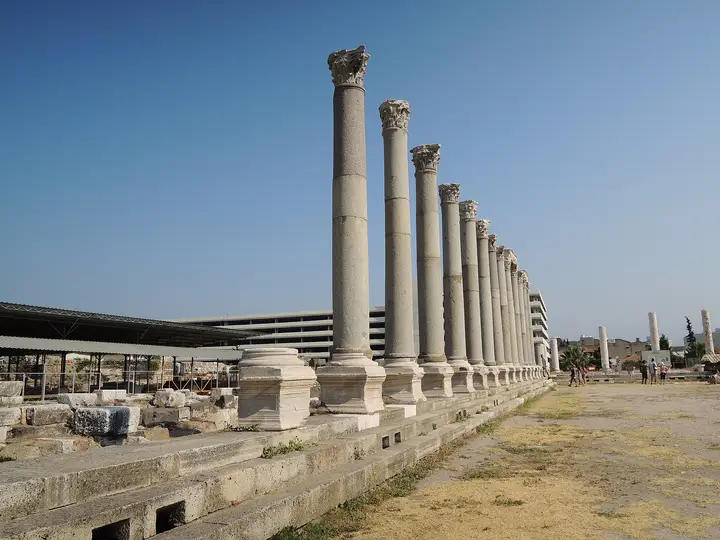
Izmir lies at the head of one of the deepest gulfs of the Aegean Sea and, with a population of about 4.5 million, is Türkiye’s third-largest city. Its origins go back to the 3rd millennium BC and Old Smyrna, founded at Tepekule in today’s Bayraklı; according to tradition, Homer was born here, on the banks of the Meles River. In the time of Alexander the Great the city moved to the slopes of Mount Pagos (today’s Kadifekale); the Smyrna Agora, founded in the Roman period, is today an open-air museum in Konak.
Passing between the Byzantines, Seljuks, Aydınids and the Knights of St John in the Middle Ages, Izmir finally became Ottoman in the 15th century. From the 17th century it grew into the greatest port of the Levant trade, and Turks, Greeks, Armenians, Jews and Levantines lived side by side; the Kemeraltı Bazaar, the synagogues on Havra Street and the Levantine mansions of Bornova and Buca are traces of that era. With the Turkish army’s entry into the city on 9 September 1922, the War of Independence effectively came to an end; a great fire a few days later destroyed a large part of the city. The Izmir Economic Congress, held in 1923, and the Izmir International Fair, held since the 1930s, are among the symbols of the Republic.
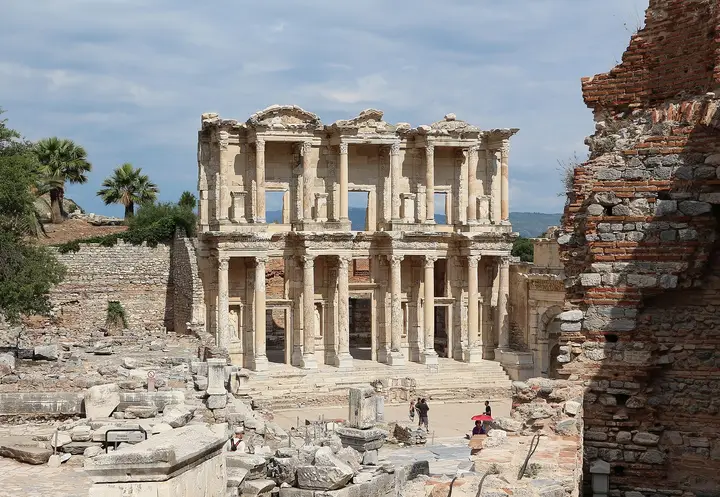
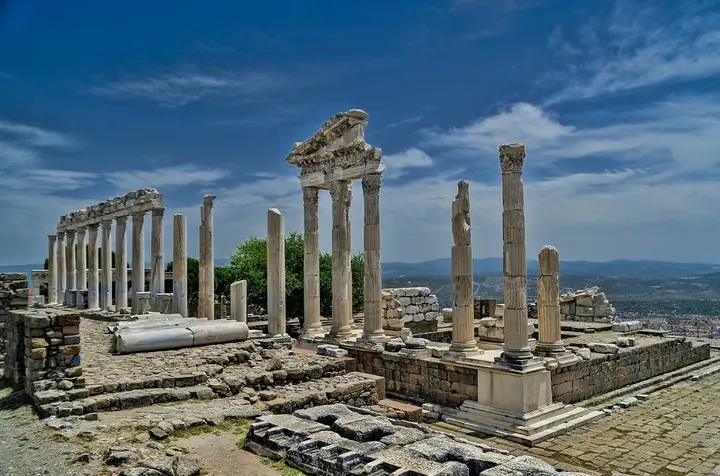
The province covers most of ancient Ionia and Aeolis: Ephesus (2015) and Pergamon (2014) are on the UNESCO World Heritage List, and many other ancient cities, such as Teos, Klaros, Erythrai, Klazomenai and Phokaia (Foça), also lie within its borders.
When to Go
Izmir has a typical Mediterranean climate: summers are hot and dry, winters mild and rainy. Averages for 1938–2025 from the Turkish State Meteorological Service:
| Month |
Avg. high |
Avg. low |
Rainfall |
Rainy days |
| January |
12.5 °C |
5.8 °C |
135 mm |
13 |
| February |
13.7 °C |
6.2 °C |
101 mm |
11 |
| March |
16.4 °C |
7.7 °C |
74 mm |
9 |
| April |
21.0 °C |
11.2 °C |
46 mm |
8 |
| May |
26.2 °C |
15.5 °C |
31 mm |
5 |
| June |
30.8 °C |
19.9 °C |
13 mm |
2 |
| July |
33.3 °C |
22.6 °C |
4 mm |
<1 |
| August |
33.0 °C |
22.5 °C |
6 mm |
1 |
| September |
29.3 °C |
18.8 °C |
16 mm |
2 |
| October |
24.1 °C |
14.7 °C |
44 mm |
5 |
| November |
18.7 °C |
10.8 °C |
92 mm |
9 |
| December |
14.2 °C |
7.6 °C |
146 mm |
13 |
April–May and October–November are ideal for the ancient cities, and June–September for the sea. In July and August temperatures at Ephesus and Pergamon can exceed 35 °C, so visit the sites at opening time. In the late afternoon the imbat wind blowing in from the gulf cools the city. The strongest winds for windsurfing at Alaçatı blow between June and September.
How to Get to Izmir
By air: Izmir Adnan Menderes Airport (ADB) is 18 km south of the city and is linked to the centre by the İZBAN suburban train, Havaş airport buses and municipal buses. There are many direct flights from Europe.
By train: The Izmir Blue Train (İzmir Mavi Treni) from Ankara and regional trains arrive at Basmane and Alsancak stations. The İZBAN suburban line runs from Aliağa in the north to Selçuk in the south, so it is possible to reach Ephesus by train.
By road and sea: Istanbul can be reached in about 5–6 hours via the Izmir–Istanbul motorway and the Osmangazi Bridge. Intercity buses arrive at the Izmir Bus Station in Bornova. In the city, the metro, tram and gulf ferries (between Karşıyaka, Bostanlı, Konak, Pasaport, Alsancak and Göztepe) are used. There are ferry services from Çeşme to Chios (Sakız Adası).
Izmir Area by Area
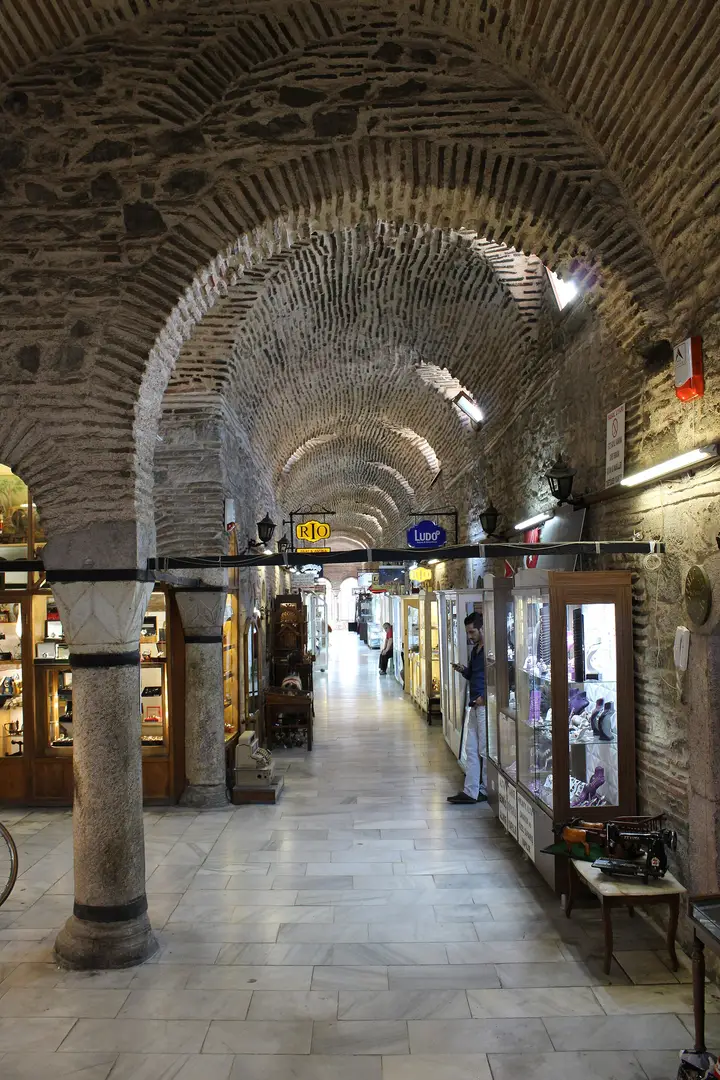
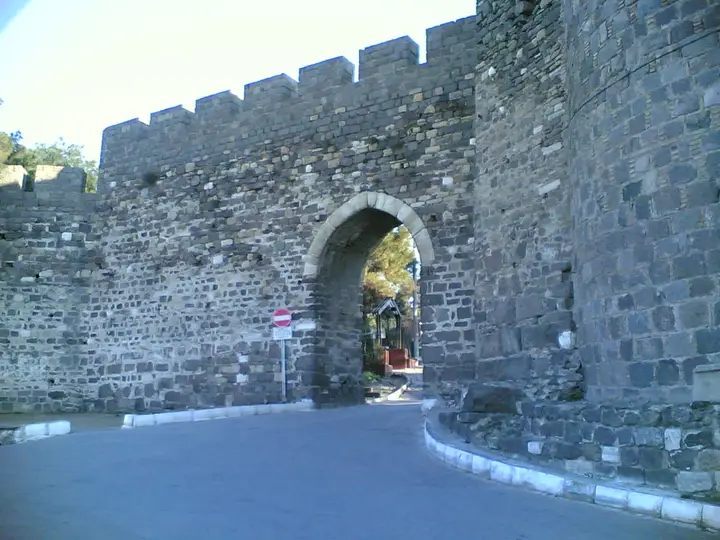
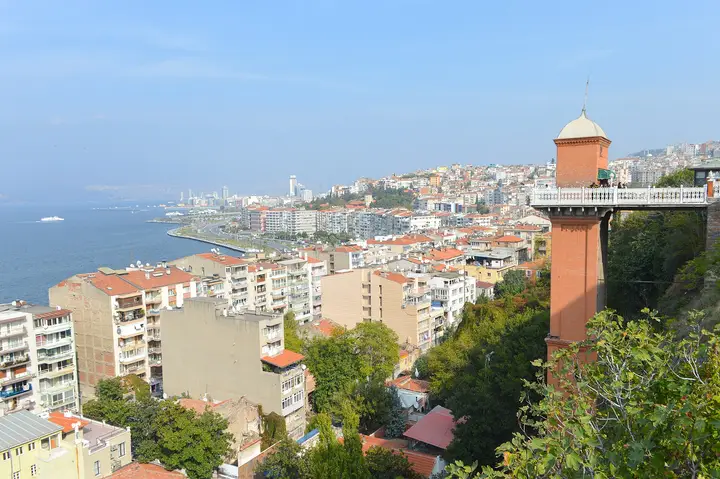
- Konak and Alsancak: the Clock Tower, Kemeraltı Bazaar and Kızlarağası Caravanserai, the Smyrna Agora, Havra Street, Kadifekale, the Historic Elevator, the Kordon, and the Archaeology and Ethnography museums.
- Karşıyaka and Bornova: on the far side of the gulf, the Bostanlı seafront and Karşıyaka bazaar; in Bornova, the Levantine mansions and Homer Valley (Homeros Vadisi).
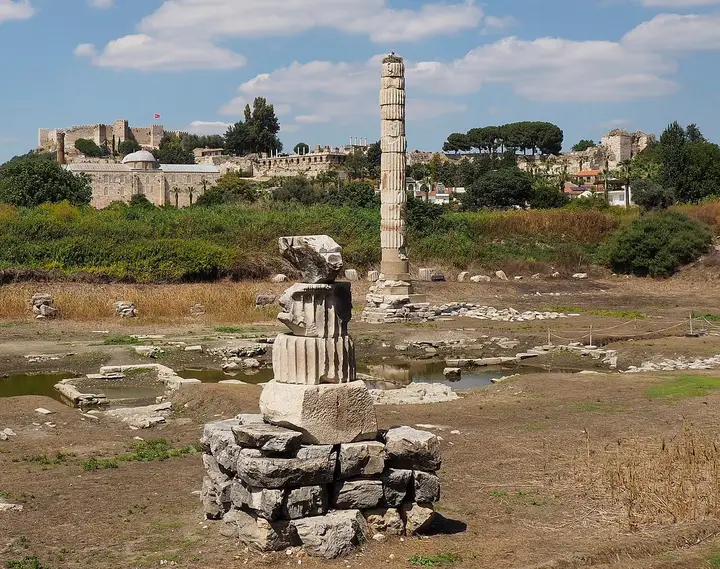
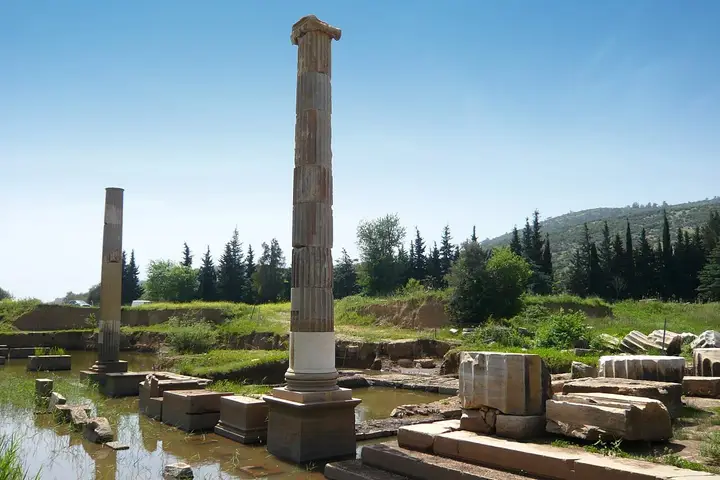
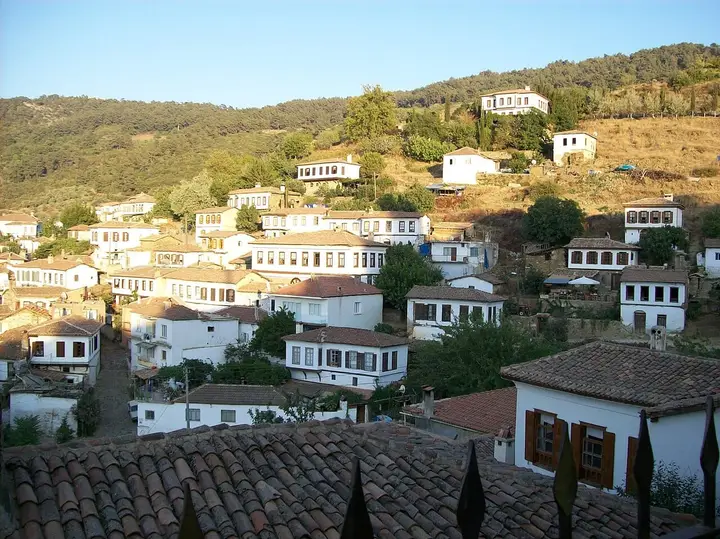
- Selçuk: Ephesus, the Library of Celsus, the Temple of Artemis, the Basilica of St John on Ayasuluk Hill, the İsa Bey Mosque, the House of the Virgin Mary and the Ephesus Museum; the mountain village of Şirince.
- Bergama: the Acropolis and the foundation of the Altar of Zeus, the Asklepion, the Red Courtyard and the Bergama Museum.
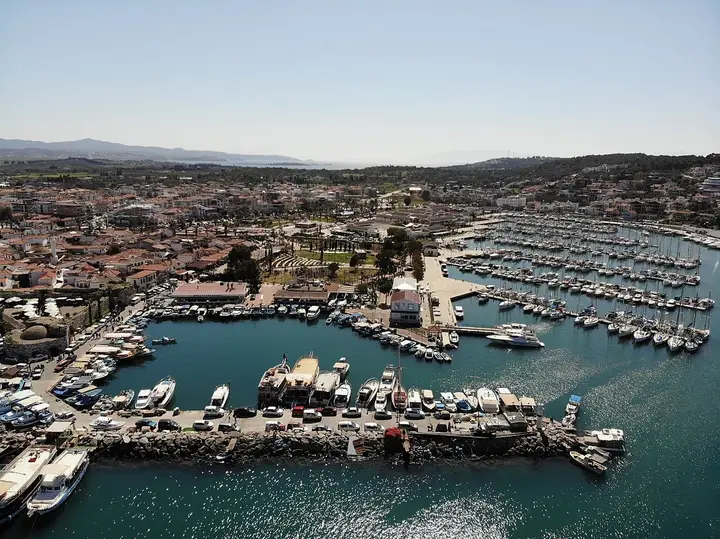
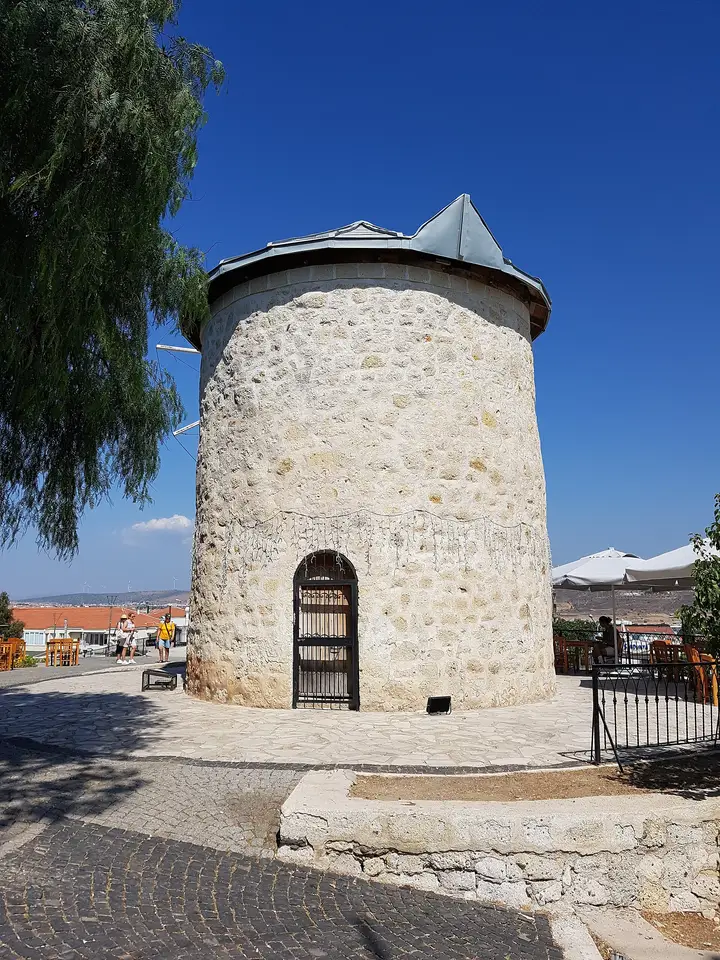
- Çeşme Peninsula: Çeşme Castle, the stone houses and windsurfing of Alaçatı, Ilıca beach; the wine route and Klazomenai in Urla.
- Seferihisar and Menderes: Seferihisar, Türkiye’s first slow city, Sığacık Castle and Teos; Klaros and Notion in Menderes.
- North: Foça (Phokaia) and the coast where Mediterranean monk seals live, Dikili and Çandarlı.
- Ödemiş, Tire and Kiraz: Birgi, the Aydınid capital, Bozdağ and Gölcük; Tire’s Tuesday market and caravanserais.
Suggested Itineraries
Day 1 – The city centre: In the morning, boyoz and tea at the Clock Tower and in Kemeraltı; the Kızlarağası Caravanserai, Havra Street and the Agora. In the afternoon, the view of the gulf from the Historic Elevator, and sunset on the Kordon in the evening.
Day 2 – Ephesus and Şirince: Early in the morning, the Library of Celsus, the Great Theatre and the Terraced Houses at Ephesus; then the House of the Virgin Mary and the Temple of Artemis. Dinner in Şirince in the evening.
Day 3 – Pergamon: Ride the cable car up to the Acropolis, then see the Asklepion and the Red Courtyard; fish at Foça on the way back.
Day 4 – The Çeşme Peninsula: The wine route in Urla, the streets of Alaçatı and Çeşme Castle; sunset at Ilıca beach.
Izmir Cuisine
Izmir cuisine is known for olive oil, wild-herb dishes and Aegean seafood, and carries traces of Greek, Sephardic Jewish and Cretan immigrant cooking. The city’s breakfast symbol is İzmir boyozu, an oily pastry inherited from Sephardic cuisine, eaten with a boiled egg and tea. İzmir gevreği, the sucuk-and-cheese sandwich İzmir kumrusu, the syrupy İzmir lokması, the semolina dessert İzmir şambalisi and İzmir tulum peyniri all have registered geographical indications.
Registered specialities from the districts: Ödemiş köftesi (Ödemiş meatballs), Tire şiş köfte (Tire skewered meatballs), Bergama köftesi (Bergama meatballs), Menemen menemeni (Menemen scrambled eggs), Bornova kınalı bamyası (Bornova henna okra), Bergama tulum peyniri (Bergama tulum cheese), Ödemiş nohut mayalı ekmeği (Ödemiş chickpea-leavened bread), Beydağ simit dürüm (Beydağ simit wrap), Bozdağ kestane şekeri (Bozdağ candied chestnuts) and Bademli koruk şerbeti (Bademli verjuice sherbet). Registered products include Urla sakız enginarı (Urla mastic artichoke), Çeşme damla sakızı (Çeşme mastic gum), Çeşme kavunu (Çeşme melon), Bornova misket üzümü (Bornova muscat grapes), Ege sultani üzümü (Aegean sultana grapes), Ege inciri (Aegean figs), Kemalpaşa kirazı (Kemalpaşa cherries), Seferihisar and Gümüldür mandalinası (Seferihisar and Gümüldür mandarins), Bergama kozak çam fıstığı (Bergama Kozak pine nuts), Ödemiş patatesi (Ödemiş potatoes), Kınık and Torbalı kuru domatesi (Kınık and Torbalı dried tomatoes), and Kuzey and Güney Ege zeytinyağları (North and South Aegean olive oils).
Handicrafts
The Görece nazar boncuğu (Görece evil-eye bead), made of blue glass in the village of Görece in Menderes, Ödemiş ipeği (Ödemiş silk), Tire beledi dokuması (Tire beledi weaving), Helvacı kilimi (Helvacı kilim) and Bergama parşömeni (Bergama parchment), a legacy of ancient Pergamon, have registered geographical indications. The carpets woven in Bergama and the coppersmiths of Tire are also among the region’s traditional crafts.
Practical Tips
- Buy an İzmirimKart for public transport; it is valid on the metro, tram, İZBAN, buses and ferries.
- In summer, visit Ephesus in the morning at opening time; the Terraced Houses require a separate ticket.
- Alaçatı and Çeşme are very crowded and expensive in July and August; choose June or September.
- In Izmir, “gevrek” means simit; you will find boyoz and gevrek fresh early in the morning.
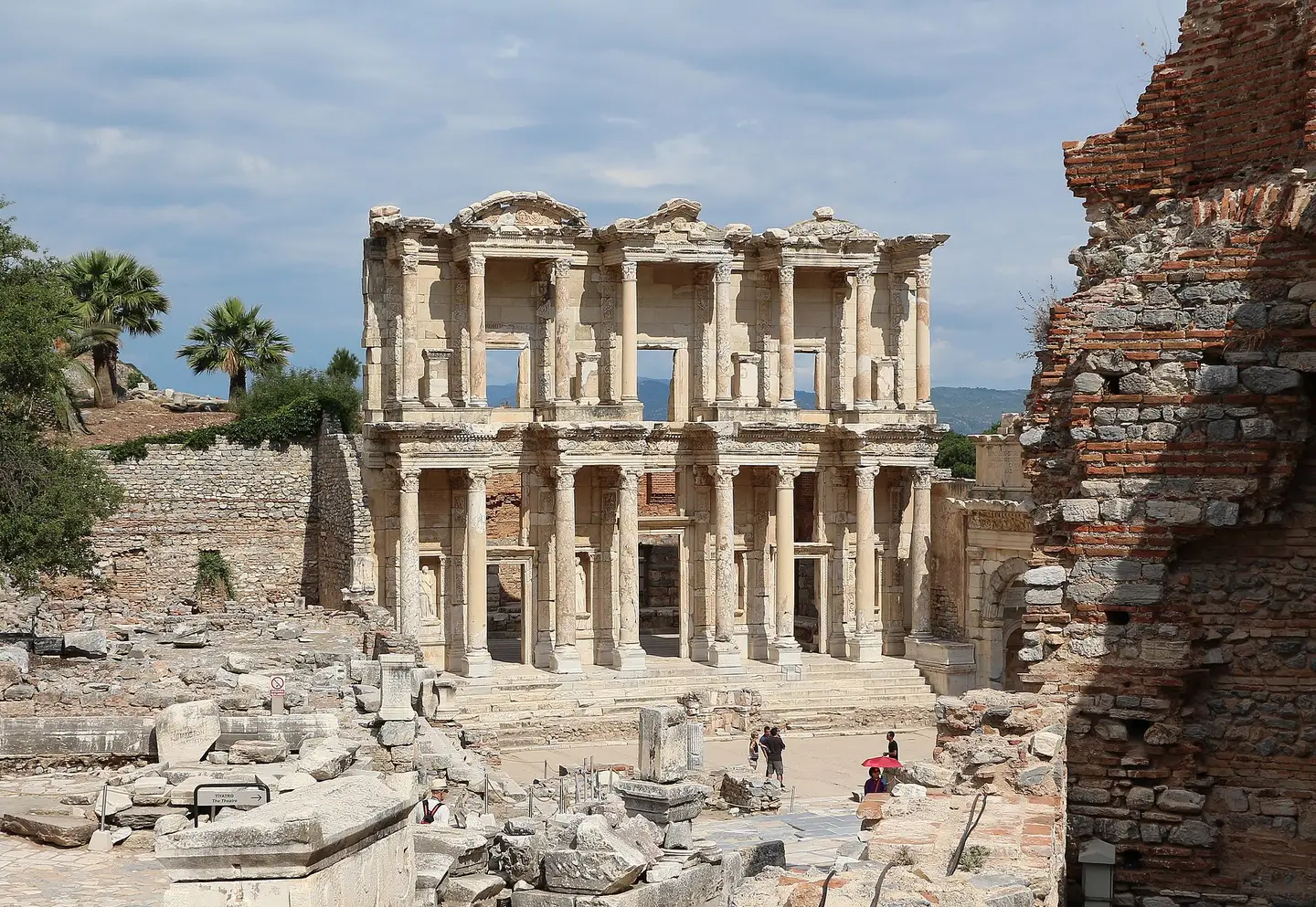
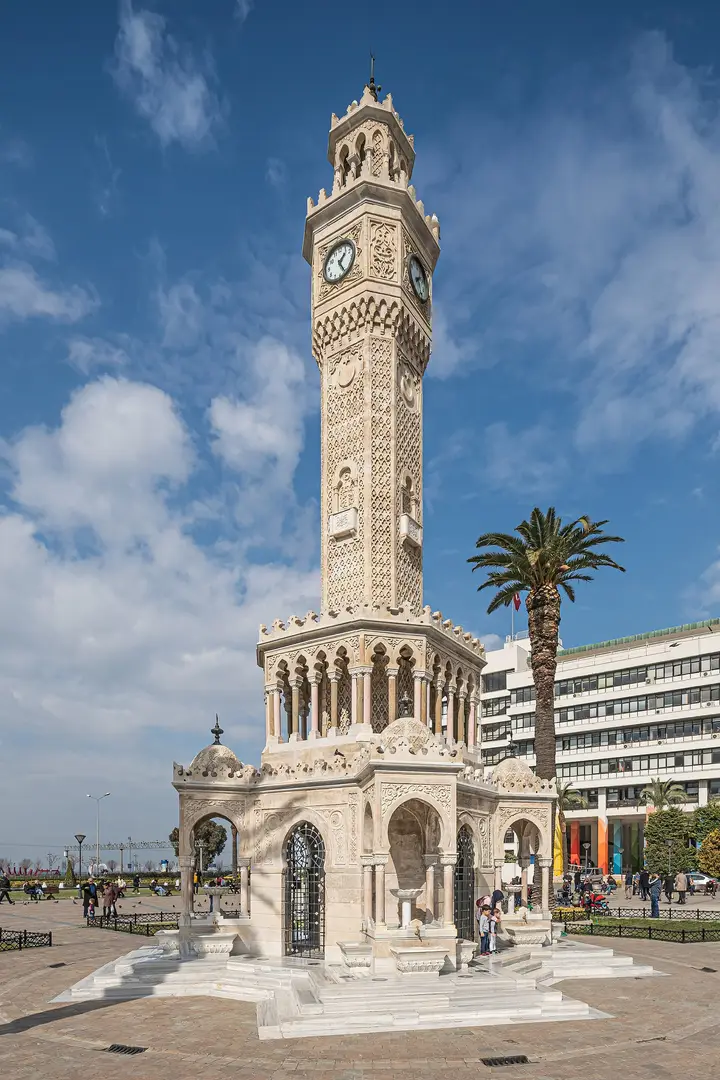 Photo: A.Savin (FAL) · Source