Oymaağaç Höyüğü (Nerik)
The archaeological site where clay tablet fragments inscribed in cuneiform were found for the first time in the Black Sea Region.
View on map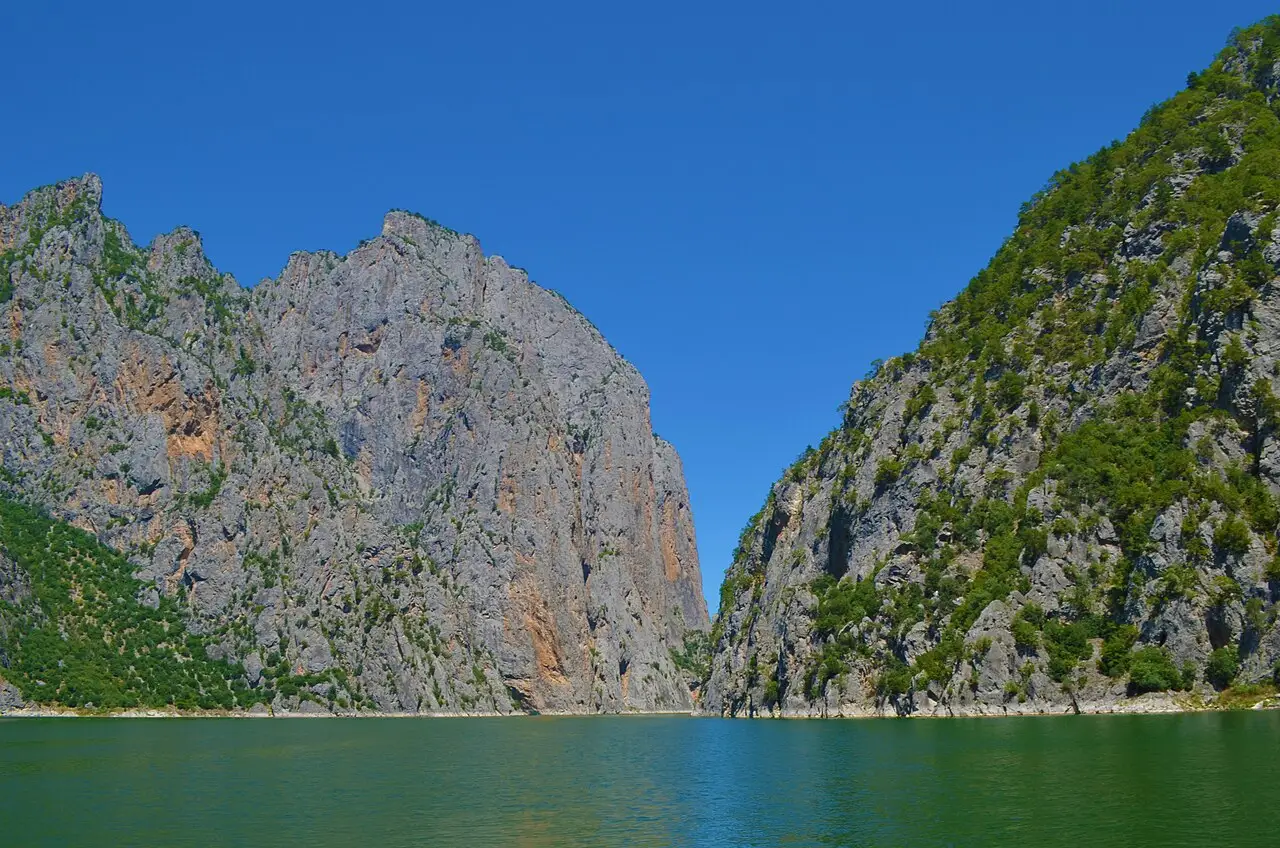 Photo: sami yılmaz (CC BY 3.0) · Source
 4 places to visit in the Vezirköprü district of Samsun: Oymaağaç Höyüğü (Nerik), Şahinkaya Canyon and Arastalı Bedesten. Plan your trip to Vezirköprü with local food, practical tips and transport information.
The population of the town centre is relatively low, and most of the population lives in rural areas.
The history of Vezirköprü goes back to the Hittites; the first Hittite city was founded about 2.5 kilometres from the present town centre. According to recent archaeological excavations, it is believed that Nerik, the holy city of the Hittites, was located in Vezirköprü. Excavations at the mound in Oymaağaç village uncovered clay tablet fragments inscribed in cuneiform for the first time in the Black Sea Region.
The city, destroyed by the Phrygian raids, was repaired and revived by the Byzantines. The large building ruins visible today show that it was the richest city in the surrounding area at that time. Sultan Mesut re-founded the town for a third time in 1160, under the name Gadegara. During the Celali Rebellions around 1695, the district was frequently raided, and the town was plundered and destroyed. After the Celali rebellions, Köprülü Mehmed Pasha had the destroyed structures in the district repaired and also commissioned new works.
Although it lies in the Black Sea Region, along the Kızılırmak valley it shows the characteristics of a Mediterranean climate. Winters in Vezirköprü are colder than on the coast (average January temperature 2.5°C) and summers are hotter (average August temperature 22.3°C).
The region has an important place in historical tourism, and the works commissioned by the Köprülü dynasty, who for a time served as grand viziers in the Ottoman Empire, are valuable. The historic Arastalı Bedesten, dating back to 1160, is located in the district centre. Comprehensive festivals have been held in the Şahinkaya Canyon in the region, and it is possible to take boat trips along the canyon.
It is thought that Vezirköprü may have been the site of Nerik, the Hittite city. Vezirköprü was attached to Samsun province in 1925, having previously been a sub-district of Amasya.
Last updated:
The archaeological site where clay tablet fragments inscribed in cuneiform were found for the first time in the Black Sea Region.
View on map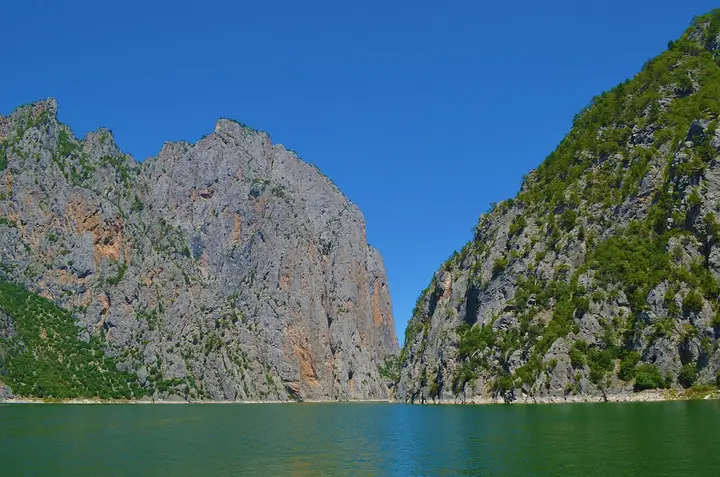 Photo: sami yılmaz (CC BY 3.0) · Source
 A natural area where boat trips can be taken along the canyon, which hosts various festivals.
View on mapA hill very close to the district centre, with traces of settlement from the Chalcolithic period.
View on mapWhile you are in Vezirköprü, you can also see the highlights of Samsun province. These places are in other districts; Vezirköprü is about 110 km from the provincial centre.
Vezirköprü mantı, prepared with hand-rolled yufka dough, is served with yoghurt and a butter sauce.
Keşkek, prepared by slowly cooking and pounding wheat and meat, is an essential part of wedding feasts. Small differences in each village's keşkek recipe add to the richness of the dish.
Known as kapalı pide (closed pide), Samsun pide is also served in Vezirköprü using the traditional recipe.
Vezirköprü is the region where Nerik, the holy city of the Hittites, was located. Archaeological excavations show the district's importance in prehistoric times.
The historic houses and bazaar of Vezirköprü offer important examples of civil architecture from the Ottoman period.
The economy of Vezirköprü is based on agriculture and livestock farming. Rice, tobacco and wheat are the main agricultural products. Small-scale industry and trade also contribute to the economy.
Vezirköprü is 110 km from Samsun city centre. It is 70 km from Amasya. The D-030 highway passes through the district.
The 4 highlights of Vezirköprü are: Oymaağaç Höyüğü (Nerik), Şahinkaya Canyon, Arastalı Bedesten and Adatepe.
Vezirköprü Mantısı, Keşkek and Samsun Pidesi are the standout dishes on Vezirköprü tables.
Vezirköprü is known for Vezirköprü Semaveri and its Hittite Heritage. It is a product registered with TÜRKPATENT as a protected geographical indication.
Vezirköprü is 110 km from Samsun city centre. It is 70 km from Amasya. The D-030 highway passes through the district.
Suggested visit length: 1 day. Best time to visit: spring and autumn.