Hırkatepe
A village where the tomb of Gazi Gündüzalp, grandfather of Osman Bey, founder of the Ottoman state, is located.
View on map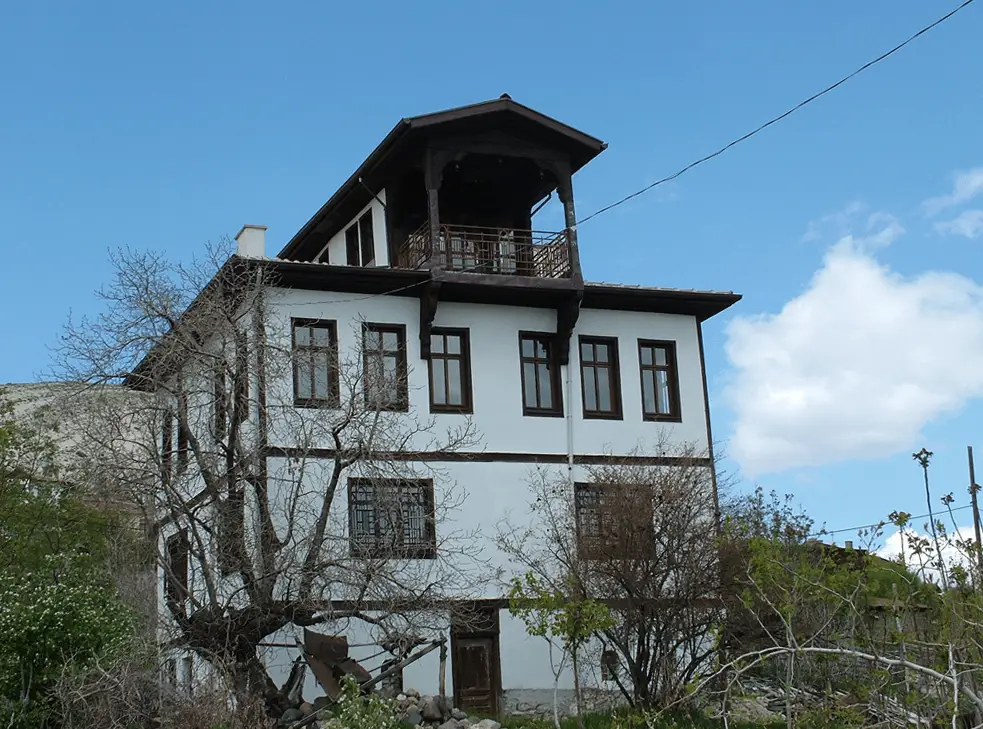 Photo: KayaZaKi (CC BY 2.5) · Source
 13 places to visit in the Beypazarı district of Ankara: Hırkatepe, Beypazarı Historic Houses and Taş Mektep (Stone School). Plan your trip to Beypazarı with local food, practical tips and transport information.
Beypazarı is a district of Ankara. The district covers an area of 1,697 km² and has an average elevation of 684 metres. Its name was given as ‘Beğ Bazarı’ (the Bey’s Market), reflecting the timar-holding sipahi centre of the Ottoman state and the density of its commercial and economic life.
In the Roman period, the region called Lagania lay on an important pass linking Istanbul with Ankara and Baghdad. The city was renamed Lagania-Anastasiopolis after a visit by the Eastern Roman Emperor Anastasios. Throughout history the Hittite, Phrygian, Galatian, Roman, Byzantine, Anatolian Seljuk and Ottoman civilisations dominated the region. In the Seljuk period Beypazarı was an important trading centre on the Istanbul–Baghdad road. The tomb of Gazi Gündüzalp is in Hırkatepe village in Beypazarı.
Beypazarı’s mansions are generally two or three storeys high and decorated with functional and cultural details. In 2020 UNESCO included the Historic City of Beypazarı on its Tentative List of World Heritage Sites.
Beypazarı is known for its craftspeople who work silver, copper, iron, leather and silk. Telkâri, the most prized art of silverworking, was brought to the district through the Ahi tradition.
In 2020 UNESCO added the Historic City of Beypazarı to its Tentative List of World Heritage Sites. Beypazarı came under Ottoman rule after Orhan Bey took Ankara.
Beypazarı has been home to the Hittite, Phrygian, Galatian, Roman, Seljuk and Ottoman civilisations. Beypazarı lies in the north-west of Ankara, on the historic Silk Road. 60% of Türkiye’s carrot needs are met by carrots grown in Beypazarı.
Last updated:
A village where the tomb of Gazi Gündüzalp, grandfather of Osman Bey, founder of the Ottoman state, is located.
View on mapA stone school building constructed in the 19th century. It has been restored and now serves as a cultural centre and restaurant. It is a fine example of Ottoman-era educational architecture.
View on mapA caravanserai built in the Ottoman period in the 16th century and used as a place to stay on the Silk Road route. The restored building now serves as a bazaar and cultural events space.
View on mapThe tomb of Gazi Gündüzalp, grandfather of Osman Bey, in Hırkatepe Village.
View on mapThe tomb of Gazi Gündüzalp, grandfather of Osman Gazi, founder of the Ottoman state, is in Hırkatepe village. One of the oldest traces of Ottoman history, this tomb is an important site for history enthusiasts.
View on mapAn interactive cultural museum set up in an Ottoman-period house, which brings local life to life through re-enactments.
View on mapA museum that explains Turkish bathing and hygiene culture, where hammam re-enactments are staged.
View on mapA museum in the Rüstem Pasha School building, built in 1928, which tells the story of all the historical periods of the district.
View on mapIn Macun Village, the first practical open-air museum to open in Türkiye.
View on mapAn ethnographic museum in a three-storey Ottoman mansion built in 1850, displaying local objects and wedding traditions.
View on map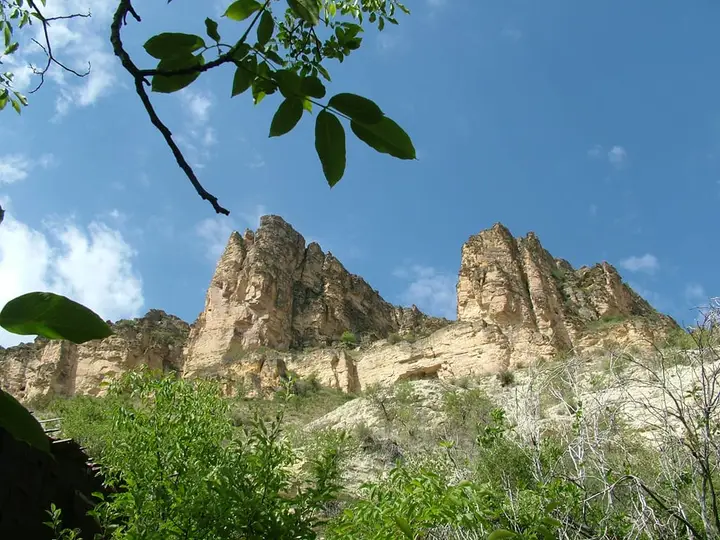 Photo: KayaZaKi (CC BY 2.5) · Source
 The İnözü Valley, stretching south of Beypazarı, is notable for its fairy-chimney-like rock formations and coloured cliffs. The valley has walking trails and rock-climbing areas.
View on map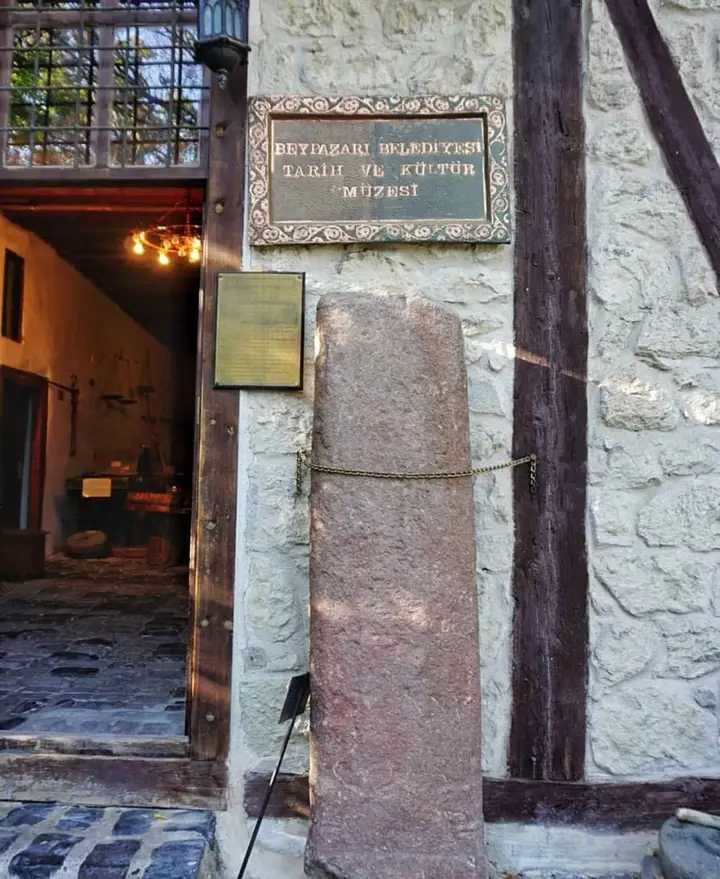 Photo: Tanyel (CC BY-SA 4.0) · Source
 A museum set up in a restored historic Ottoman house, displaying local handicrafts, traditional clothing and everyday objects. It is an important place that presents the cultural heritage of Beypazarı.
View on map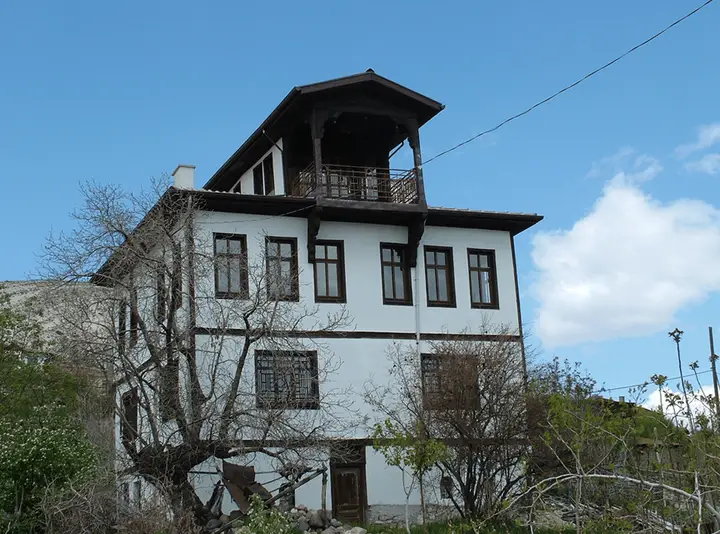 Photo: KayaZaKi (CC BY 2.5) · Source
 Historic mansions and houses that reflect the architectural tradition of the district.
View on mapWhile you are in Beypazarı, you can also see the highlights of Ankara province. These places are in other districts; Beypazarı is about 100 km from the provincial centre.
Beypazarı Cevizli Tatlı Sucuk was registered as a protected geographical indication on 7 April 2022 (TÜRKPATENT registration no. 1069). Product group: chocolate, confectionery and derived products. Registered by: Beypazarı Municipality.
Beypazarı Dolması was registered as a protected geographical indication on 20 May 2022 (TÜRKPATENT registration no. 1115). Product group: meals and soups. Registered by: Beypazarı Municipality.
Beypazarı Havuç Lokumu was registered as a protected geographical indication on 20 January 2022 (TÜRKPATENT registration no. 999). Product group: chocolate, confectionery and derived products. Registered by: Beypazarı Chamber of Commerce.
Beypazarı Höşmerim Tatlısı was registered as a protected geographical indication on 19 July 2022 (TÜRKPATENT registration no. 1170). Product group: bakery and pastry products, dough products, desserts. Registered by: Beypazarı Municipality.
Made from 80 layers of very thin phyllo, and only 5-6 cm thick.
Made in stone ovens, it keeps its freshness for one year and is produced only in Beypazarı.
The Beypazarı Traditional Historic Houses, Handicrafts, Carrot and Casserole Festival, held every year in June, attracts thousands of visitors to the district. Traditional handicrafts are exhibited during the festival, and local dishes are served.
In the Ottoman period, Beypazarı was an important stopping place and trading point on the Silk Road route. The name of the district means 'the Bey's market', and comes from the contribution to the local economy of the cavalry stationed there as a military base.
The burial of Gazi Gündüzalp, grandfather of Osman Gazi, founder of the Ottoman state, in Beypazarı connects the district to the oldest roots of Ottoman history.
Beypazarı's economy consists of agriculture, handicrafts and tourism. The district, Türkiye's largest carrot producer, also has mineral water production and trona mining. Telkari silverwork is an important source of income. Historic houses and gastronomy tourism have been developing rapidly in recent years.
Beypazarı is about 100 km from Ankara city centre. It is reached by the Ankara–Eskişehir road. There are regular bus services from AŞTİ (Ankara Intercity Bus Terminal). For a day trip, it takes about 1.5 hours from Ankara.
The 13 highlights in Beypazarı are Hırkatepe, Beypazarı Historic Houses, Taş Mektep, İnözü Valley, Hırkatepe Gazi Gündüzalp Tomb, Beypazarı Museum, Suluhan (Kurşunlu Caravanserai), Beypazarı Living Museum, Turkish Hammam Museum, Beypazarı Town History Museum, Anatolian Open-Air Museum, Living Village, Beypazarı History and Culture Museum and the Tomb of Gazi Gündüzalp.
Beypazarı Cevizli Tatlı Sucuk, Beypazarı Dolması, Beypazarı Havuç Lokumu and Beypazarı Höşmerim Tatlısı are the standout dishes on Beypazarı's tables.
Beypazarı is known for Beypazarı Kurusu and the Traditional Houses and Living Festival. Registered with TÜRKPATENT as a protected geographical indication product.
Beypazarı is about 100 km from Ankara city centre. It is reached by the Ankara–Eskişehir road. There are regular bus services from AŞTİ (Ankara Intercity Bus Terminal). For a day trip, it takes about 1.5 hours from Ankara.
Suggested time for the visit: 1-2 days. Best time to visit: spring and summer.