7 places to visit in the Haymana district of Ankara: Haymana Thermal Baths, Gavurkale Ruins and Battle of Sakarya Historical National Park. Plan your trip to Haymana with local food, practical tips and transport information.
Haymana is a district in the south of Ankara. Its area is 2,164 km² and its average elevation is 1,219 metres. It is 74 km from Ankara city centre. In the past it was a settlement that came under the rule of the Hittites, Phrygians, Persians, Galatians, Romans and Byzantines, the Anatolian Seljuks and the Ottomans.
History
Haymana and its surroundings have a history reaching back to the Palaeolithic era. At the end of the 17th century BCE the Hittites dominated the region; in the 12th century BCE the Hittite Empire fell and Haymana passed under Phrygian rule. Around the 3rd century BCE the settlement came under Galatian control. In 1354, Haymana, together with Ankara, was incorporated into Ottoman territory by Süleyman Pasha, son of Orhan Gazi.
Tourism
The Haymana district is famous for its hot underground waters and spas.
History and Culture
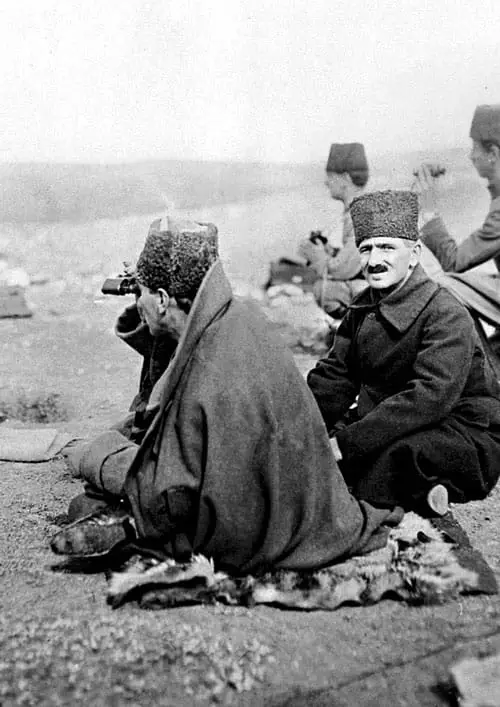
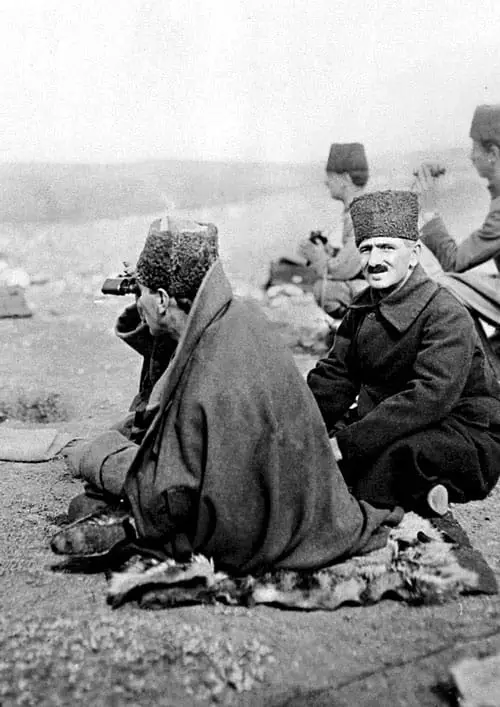
The name Haymana is said to derive from the Arabic word khayma, meaning “tent”, and to have come about when the two Ottoman-era settlements of “Ulu” and “Kiçi” Haymane were merged. Haymana and its surroundings were under the rule of the Hittites, Phrygians, Persians, Galatians, Romans and Byzantines, and have a history reaching back to the Palaeolithic era. In 1143, the Danishmendids settled in Haymana; under Sultan Mesud I it came under Seljuk control and later passed under Ottoman rule. The victory at the Battle of Sakarya fulfilled the Turkish nation’s belief that the war would be won, and changed the attitude of the international community towards the Turkish War of Independence.
Last updated: