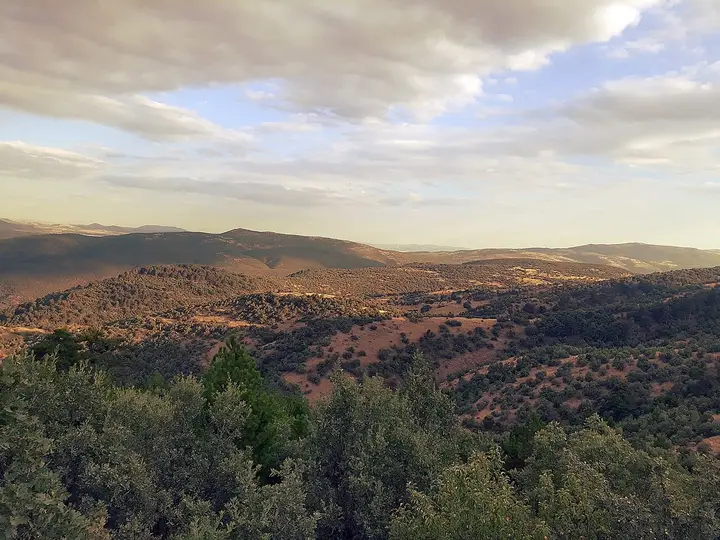
 Photo: SAİT71 (CC BY-SA 4.0) · Source
 Soğuksu National Park
One of Kızılcahamam's most important natural areas and an important draw for tourists.
View on map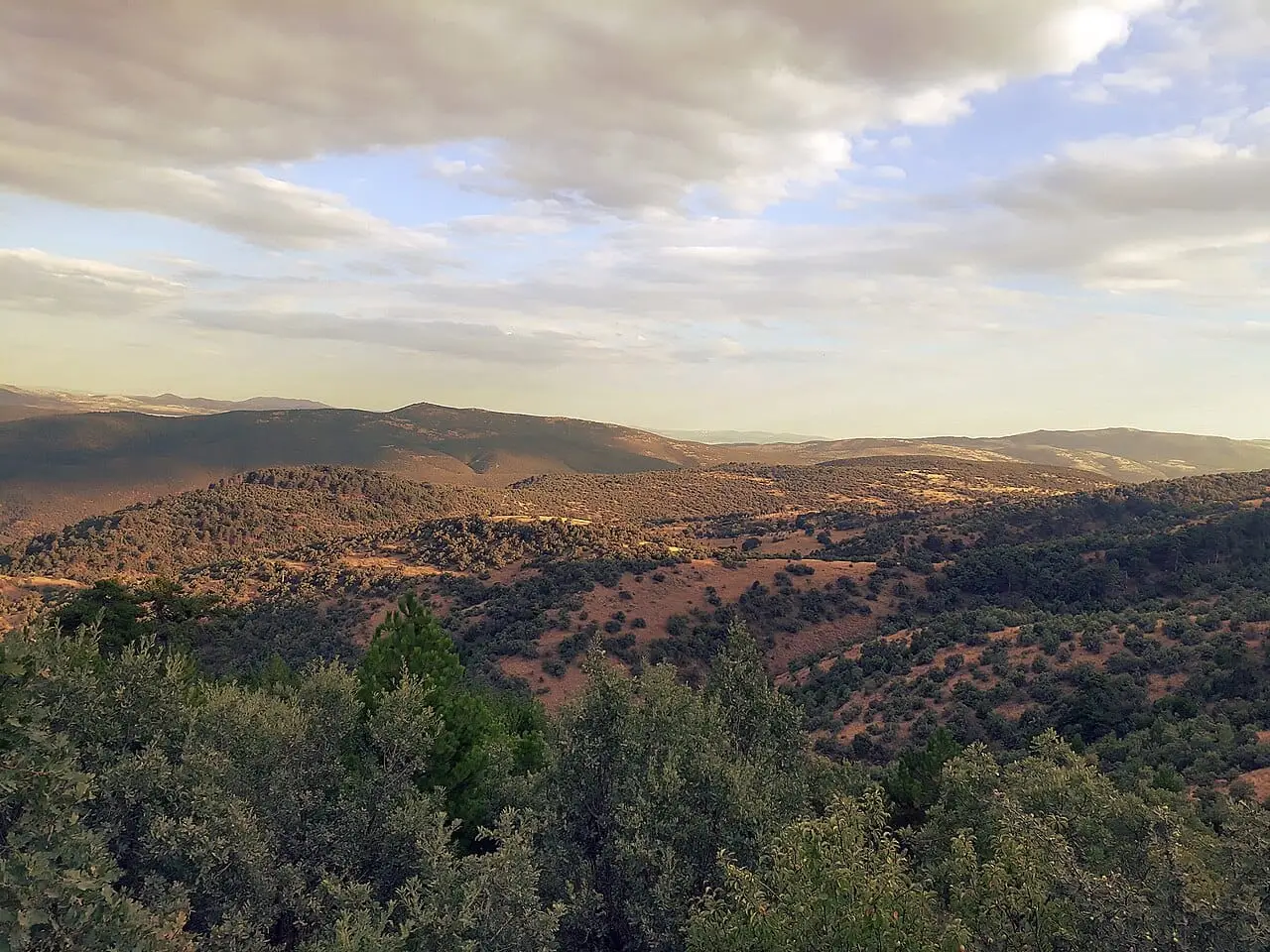 Photo: SAİT71 (CC BY-SA 4.0) · Source
 4 places to visit in the Kızılcahamam district of Ankara: Soğuksu National Park, Kızılcahamam Hot Springs and Martyrs' Tree. Plan your trip to Kızılcahamam with local food, practical tips and transport information.
Kızılcahamam, formerly known as Yabanabad, is a district in the north of Ankara province. Located on the E5 Ankara–Istanbul state highway, Kızılcahamam lies between the districts of Çubuk, Kahramankazan, Ayaş, Güdül and Çamlıdere, and the provinces of Bolu and Çankırı. A mountainous and forested district, Kızılcahamam covers 1,623 km², and its average elevation above sea level is 985 metres. The district acts as a geographical bridge between Central Anatolia and the Black Sea.
The district was first ruled by the Hittites, and later by the Phrygians, Lydians, Persians, Galatians, Romans and Byzantines in turn. In 1356 Ankara and its surroundings were taken by the Ottomans through Süleyman Pasha, son of the Ottoman Sultan Orhan Gazi.
The Kızılcahamam spa, known to have been used since the Roman period, has won nationwide renown in Türkiye. The district is generally known for the Soğuksu National Park, its spas, hotels, mineral waters, historic sites and festivals.
In antiquity Kızılcahamam was ruled by the Hittites, Phrygians, Lydians, Persians, Galatians, Romans and Byzantines. After the Battle of Manzikert in 1071, the Seljuk State made raids into Anatolia and captured Ankara and its surroundings in 1073. Ankara and its surroundings, taken by Süleyman Pasha, son of the Ottoman Sultan Orhan Gazi, in 1356, passed into Ottoman hands. The district centre was moved from Pazar town to Kızılcahamam in 1915 because of its healing waters. The first hominid remains in Anatolia were found in Kızılcahamam district by Fikret Ozansoy and named Ankarapithecus meteai.
Last updated:
Photo: SAİT71 (CC BY-SA 4.0) · Source One of Kızılcahamam's most important natural areas and an important draw for tourists.
View on map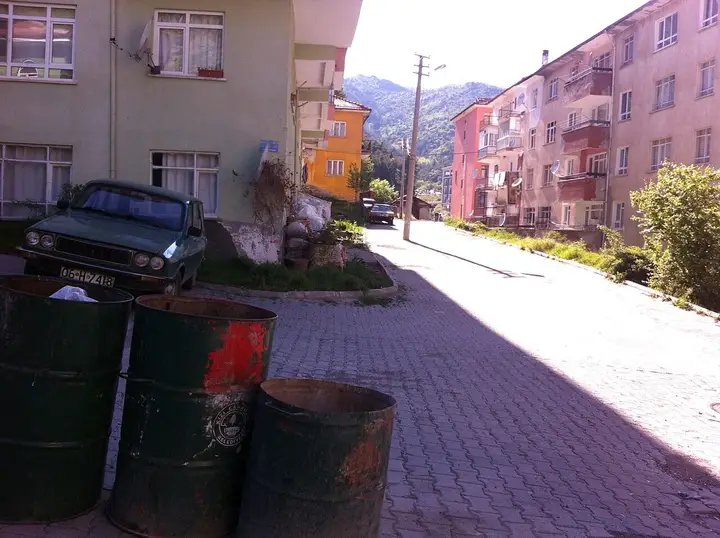 Photo: bynyalcin (CC BY 3.0) · Source
 Used since the Roman period, and has won nationwide renown in Türkiye.
View on mapA monumental cedar tree representing soldiers who have lost their lives on duty since 1980, on which the dog tags of the soldiers are hung.
View on mapA station built in 2009 on Kayabeleni Hill within Soğuksu National Park. It allows the observation of the cinereous vulture, a species at risk of extinction.
View on mapWhile you are in Kızılcahamam, you can also see the highlights of Ankara province. These places are in other districts; Kızılcahamam is about 80 km from the provincial centre.
A pide specific to Kızılcahamam, known for its thin dough and generous fillings. The minced-meat and kaşar-cheese varieties of pide baked in a stone oven are the most preferred.
Trout raised in the district's cold-water springs, served grilled or fried in a pan. It is the flavour most preferred by spa visitors.
Cracked wheat and meat cooked for a long time and pounded is the traditional dish at weddings and festivals. Keşkek, an essential at wedding tables, is prepared in a communal spirit.
The spa tradition, which has continued since the Roman period, forms the basis of Kızılcahamam's identity. The district has attracted visitors for centuries as Ankara's most important thermal tourism centre.
Kızılcahamam is one of Ankara's most wooded districts. Forestry, beekeeping and the gathering of natural products form the basis of its traditional way of life.
Kızılcahamam's economy is made up of thermal tourism, forestry and agriculture. Spa facilities and thermal hotels attract visitors all year round. Pine honey production and forestry are important sources of income. Wheat and fruit are grown in farming.
Kızılcahamam is 80 km from Ankara city centre. It lies on the Ankara–Bolu highway (D-655). There are regular bus services from AŞTİ.
The 4 standout places in Kızılcahamam are Soğuksu National Park, Kızılcahamam Hot Springs, Martyrs' Tree and Cinereous Vulture Observation Station.
Kızılcahamam Pidesi, Alabalık and Keşkek are the standout dishes on Kızılcahamam's tables.
Kızılcahamam is known for Kızılcahamam Bazlaması and the Spa and Thermal Tourism Tradition. It is a product registered with TÜRKPATENT as a protected geographical indication.
Kızılcahamam is 80 km from Ankara city centre. It lies on the Ankara–Bolu highway (D-655). There are regular bus services from AŞTİ.
Suggested visit length: 1–2 days. Best time to visit: spring and autumn.