Güdül Castle
The castle remains on the rocky hill above the town centre date from the Byzantine period. The panoramic view of the Kirmir Stream valley can be seen from the castle.
View on map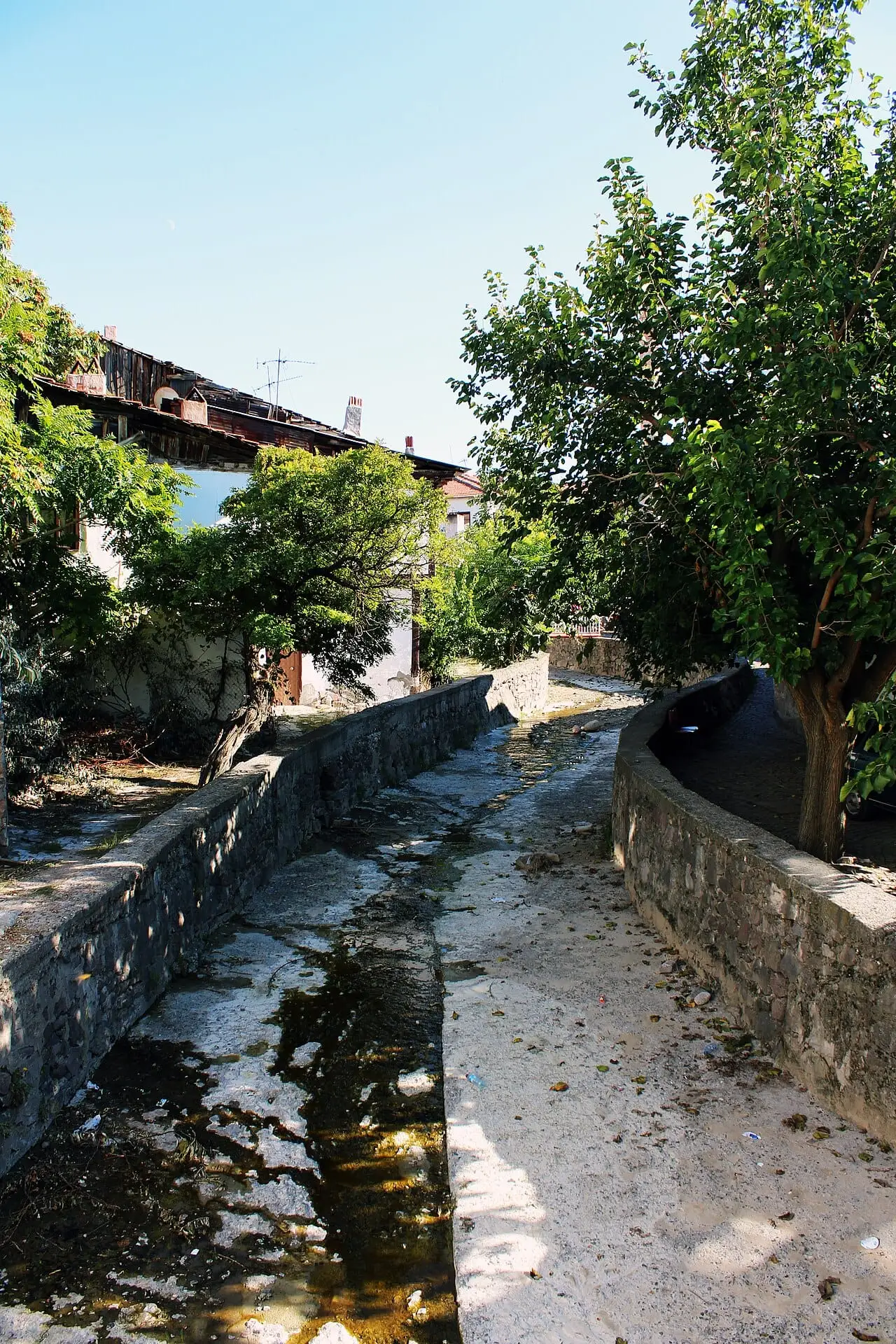 Photo: Berkay0652 (CC BY-SA 4.0) · Source
 12 places to visit in the Güdül district of Ankara: Kirmir Stream Valley, Sorgun Pond and Güdül Canyon. Plan your trip to Güdül with local food, practical tips and transport information.
Güdül is a district in the north-west of Ankara Province. It covers 540 km² and has an average elevation of 737 metres. In 2020 Güdül was awarded the Sakin Şehir (Cittaslow) title.
The history of Güdül district goes back to around 3000–3500 BC. Archaeological studies of the caves in the Kirmir Stream Valley point to the presence of Hittite civilisation in the area. Cross-shaped plaster remains in the caves at the İnözü Valley site indicate that these areas were used by Christians in the Roman period. With the Battle of Malazgirt in 1071, the gates of Anatolia opened to the Turks, and Güdül and its surroundings came under the rule of the Anatolian Seljuks.
In 2020 Güdül received the Cittaslow title, becoming Türkiye’s 18th Cittaslow. Güdül Leblebisi is traditionally produced by roasting in a wood fire and in sand.
The district’s history is said to go back to 3000–3500 BC. Archaeological studies of the caves in the Kirmir Stream Valley point to the presence of Hittite civilisation in the region. After the Battle of Malazgirt in 1071, Güdül and its surroundings came under the rule of the Anatolian Seljuks. The district was a nahiye (subdistrict) attached to Ayaş, and became a district on 1 September 1957. It was founded by Ankara Emir Şehabüldevle Güdül Bey, and this founding is stated to have taken place about 850 years ago. In 2020 Güdül received the Slow City title.
The listed historic buildings in Güdül are around 100 years old. The Güdül City Museum displays a collection reflecting social, economic and cultural values.
Last updated:
The castle remains on the rocky hill above the town centre date from the Byzantine period. The panoramic view of the Kirmir Stream valley can be seen from the castle.
View on mapIn the town centre there are stone and timber houses from the Ottoman period. Lined up along narrow streets, these houses are preserved examples of traditional Anatolian architecture.
View on mapCaves carved into the rocks in the Kirmir Stream Valley. Sources refer to them as caves used in the Hittite, Phrygian and Roman periods.
View on mapThis valley in the district is known for its caves used in the Hittite, Phrygian and Roman periods.
View on mapA structure uncovered in the town of Çağa. According to sources, it is thought to have functioned as a health centre based on thermal springs from the Roman period onwards.
View on mapThe valley formed by the Kirmir Stream contains caves dating from the Hittite, Phrygian and Roman periods.
View on map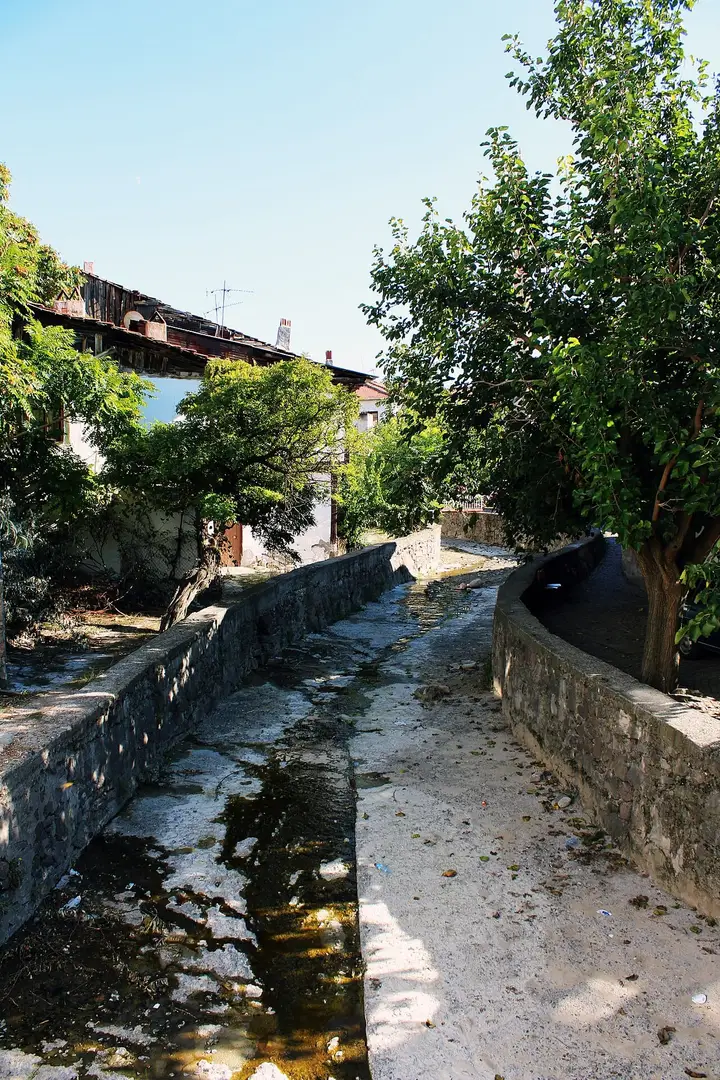 Photo: Berkay0652 (CC BY-SA 4.0) · Source
 Güdül Canyon, formed by the Kirmir Stream eroding the rocks over thousands of years, with its steep slopes and green valley, is an ideal spot for nature photography and walking.
View on mapA park located in Kamanlar Village; sources list it among the places worth seeing.
View on mapWhile you are in Güdül, you can also see the highlights of Ankara province. These places are in other districts; Güdül is about 80 km from the provincial centre.
Trout raised in the Kirmir Stream is served grilled or pan-fried. It is Güdül's best-known delicacy.
Made by simmering and then pounding cracked wheat and meat, keşkek is the traditional dish of wedding and holiday tables.
Flatbread cooked on a griddle, served at breakfast with fresh butter and village cheese.
There are leblebi workshops in the town centre; the product is said to be sent to every part of Türkiye.
Güdül is one of the districts of Ankara with the highest potential for nature tourism. Canyon walks and trout fishing are important parts of the district's cultural identity.
Traditional farming and livestock-rearing ways of life continue in Güdül and the surrounding villages. The tradition of imece (communal work) and neighbourly relations remain strong.
Güdül's economy is based on farming, livestock and trout farming. Trout farms operate along the Kirmir Stream. Potential for nature tourism is developing. Wheat and fruit growing are also practised.
Güdül is about 80 km from Ankara city centre. It is reached via the Beypazarı road. There are regular minibus services from Ankara.
The 12 standout places in Güdül: Kirmir Stream Valley, Sorgun Pond, Güdül Canyon, Güdül Castle, Historic Houses of Güdül, İnönü Caves, İnözü Valley, Roman Tumulus (Çağa), Çoban Hammam, Samutbali Tomb, Kasım Baba Tomb and Martyr Tolga Akpınar Park.
Trout, Keşkek, Bazlama and Leblebi are standout dishes on tables in Güdül.
Güdül is known for Trout and Canyon and Nature Culture. Fresh trout raised at the trout farms on the Kirmir Stream is Güdül's most important local product.
Güdül is about 80 km from Ankara city centre. It is reached via the Beypazarı road. There are regular minibus services from Ankara.
Recommended visit length: 1 day. Best time to visit: spring and summer.